The SS163 is not a road for the faint-hearted, or for anyone in a hurry. It's barely two lanes in places, threading cliffside villages together in switchbacks that demand your full attention and reward it constantly with views that make it genuinely difficult to keep your eyes on the road.
Drive it at golden hour
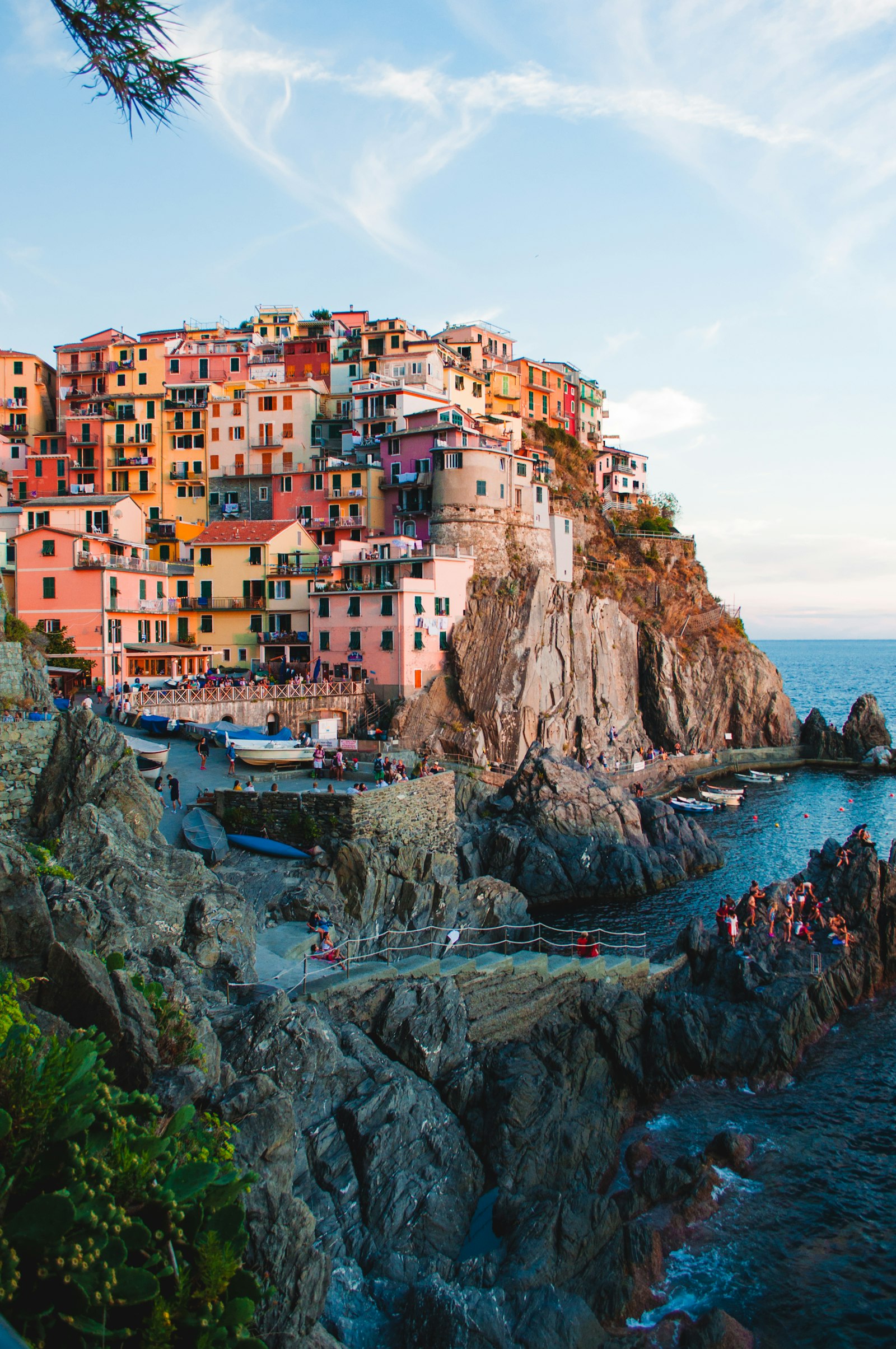
Leave Positano around 5pm heading toward Ravello and the light does something the midday sun simply can't manage — turning the whole coastline amber, the sea below shifting between deep turquoise and gold depending on the angle, the cliffside towns catching light in a way that makes every single viewpoint look staged, even though none of it is.
We'd originally planned to drive the coast in a single day, start to finish, and abandoned that plan by lunchtime on day one. The road simply doesn't reward rushing — every third curve reveals something worth ten minutes of stopping, and by the time we reached Ravello that first evening we'd covered maybe a third of the distance we'd intended.
Positano, before the day-trippers
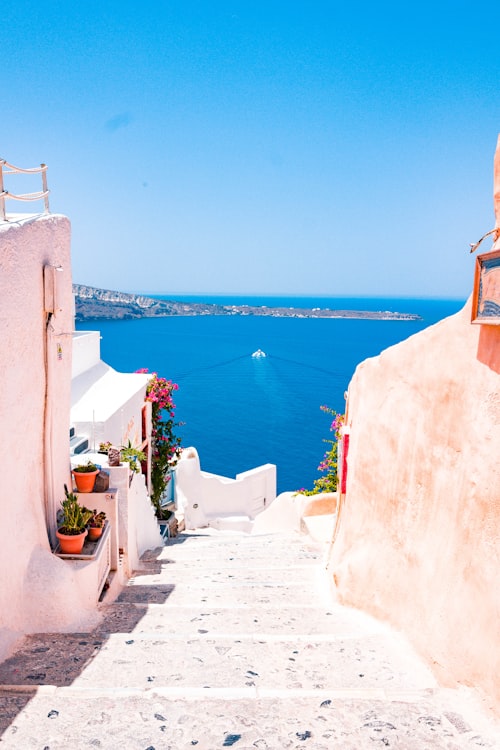
Positano by 8am, before the ferry crowds and coach tours arrive from Naples and Sorrento, is close to unrecognizable from the version most visitors experience — quiet stone steps, shopkeepers just opening up, a beach that's actually walkable rather than wall-to-wall umbrellas. We stayed in a small guesthouse up one of the steep staircases and made a habit of walking down to the water before breakfast, back up after, and generally treating the town's considerable elevation change as part of the daily rhythm rather than an obstacle.
Ravello's quieter elevation
Higher up and further from the coast road, Ravello trades beach access for genuine quiet and some of the best views on the entire coastline. The gardens at Villa Cimbrone, perched on a cliff edge with almost nothing visible below but sea and sky, felt like one of the few spots on the whole trip where we weren't sharing the view with a tour group.
Stop more than you plan to
Every viewpoint along the road looks like a postcard, and roughly half of them have a lemon granita stand attached, which after an hour of hairpin turns in the summer heat becomes a genuinely necessary stop rather than a novelty. Don't rush this drive; the entire point of the Amalfi Coast is the road itself, not just the destinations sitting at either end of it.
Ferries as an alternative
On our second visit, we tried the seasonal ferry between Positano, Amalfi, and Salerno instead of driving every leg, and found it removed a surprising amount of stress from the trip — no parking search, no hairpin turns, just open water views of the same cliffside towns from a different angle entirely.
Practical notes from getting it wrong
We rented a car assuming it would be the most flexible option, and while the flexibility was real, parking in Positano and Amalfi during peak season turned into its own small ordeal — steep, narrow, and often full by mid-morning. On a return trip, we'd seriously consider basing in one town and using the SITA bus network or seasonal ferries for day trips instead, saving the driving for the early morning or evening stretches when traffic is lighter and the light is better anyway.
If this kind of trip appeals to you, you might also like our Faroe Islands road-trip-style hiking guide and a very different budget route through Georgia.
Frequently Asked Questions
Is driving the Amalfi Coast difficult?
The road is narrow with frequent hairpin turns — manageable but not relaxing; many visitors prefer buses or a hired driver instead.
What's the least crowded time to visit?
Late spring or early autumn offers warm weather with noticeably fewer tour groups than July–August.
Can I see the coast without a car?
Yes — SITA buses and seasonal ferries connect the main towns along the coast.