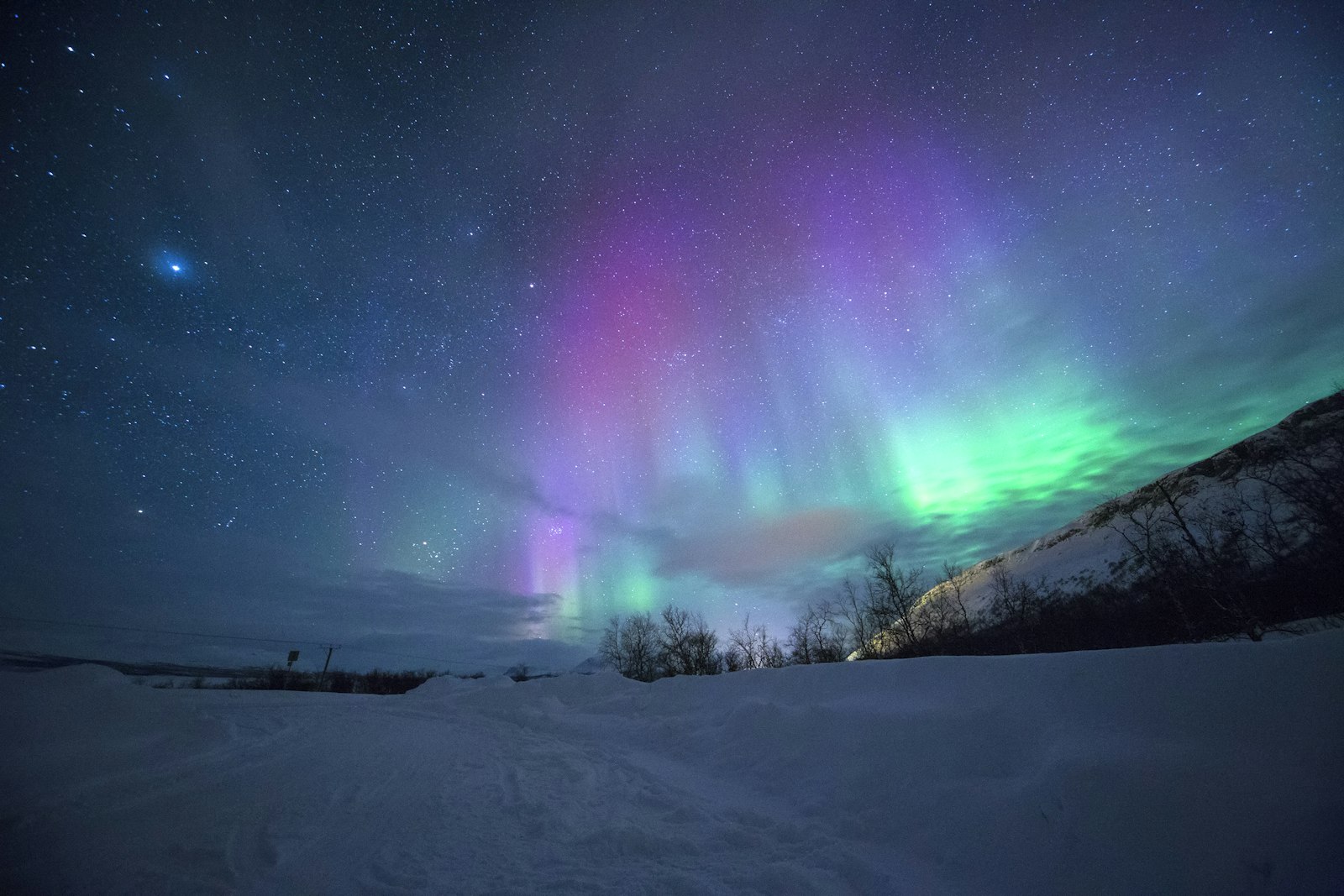
Ask anyone who has driven the Ring Road in winter what they remember most, and you will hear about the northern lights, the empty roads and the frozen waterfalls. Ask what they were most glad they planned for, and the answer is almost always heat. A campervan is a small metal box in a very cold country, and how warm you are inside it decides whether the trip feels like an adventure or an endurance test.
The good news is that staying warm is mostly a matter of knowing what your heater does, stopping the heat from escaping and building a few simple habits. This guide walks through all three. It also covers the safety side, because a fuel-burning heater in a closed van needs respect. For the wider picture of where you can actually spend the night, read our guide to Iceland campervan overnight parking rules by region, and if something stops working, our breakdown guide explains who to call.
Why Heating Matters on the Ring Road in Winter
Iceland is not as cold as its name suggests, but it is windy, wet and changeable, and that combination makes it feel colder than the thermometer says. One rental company's guide gives a useful picture of the seasons. Summer days run roughly 10 to 15°C with nights of 5 to 8°C. In the shoulder months from September to November and March to May, nights sit around 0 to 7°C and need heating every evening. In winter, days hover around -2 to 2°C, and nights can fall to -10°C or colder with strong wind.
Those figures explain why many rental companies treat heating as essential outside the summer. They also explain why a van that feels fine at 5pm can feel very different at 3am. Daylight is short in winter, so you will spend long evenings inside the van, which makes a warm, dry interior worth planning for rather than hoping for.
The Heating Setups You Will Meet in Rental Campervans
Not every campervan heats the same way, so the first job at pick-up is to find out what yours has. In practice you will meet three situations.
Diesel heater
Some vans use a diesel system, often a Webasto-type unit, that runs on its own and does not need campsite electricity. One guide says these are built to run continuously and estimates fuel use at about 0.1 to 0.25 litres an hour on low to medium and around 0.5 litres an hour on high. Running it too low can leave you cold.
Electric hook-up
Some vans rely on mains power at a campsite, which means you can only be warm where there is a hook-up. That limits your choice of campsites, and many sites close in winter, so check before you build a route around them.
Battery-powered heating
Other vans run the heater from a secondary battery that recharges while you drive. One company advises driving a reasonable distance each day before parking somewhere remote and running the heater for hours.
Rooftop tent or no heating
Rooftop tents have no built-in heating. Their sides may insulate, but they are not a heater. In winter, ask whether your rental can be upgraded to a van with proper heating.
Use the quick checker below to see what to ask and do for your setup. It is a guide, and your rental company's instructions override it.
Heat Loss Is the Real Enemy
Most people worry about whether the heater is strong enough. The better question is how quickly the van leaks heat. A rental guide puts it plainly: the main problem is heat loss, not the heater itself. Wind pulls warmth out of the van faster than the heater can replace it, especially in exposed spots.
- Windows are the biggest leak. Thermal curtains or window covers trap a layer of air and make a noticeable difference. Use them every night.
- Park out of the wind. Face the van away from the wind where you can, and park it level so you sleep comfortably and any systems work properly.
- Seal the draughts. Gaps around doors, windows and vents let cold in. Close everything properly and use covers on vents you are not using.
- Insulate the floor. A rug or mat over the floor stops cold creeping up from the ground.
- Choose a sheltered campsite. A campsite with trees, buildings or a hillside gives you a quieter, warmer night than an open car park.
One guide says a well-prepared setup can stay comfortable down to about -5°C, and that heaters may struggle or fail below -10°C or with poor insulation or gaps. Treat those numbers as rough guides, not promises, since every van is different.
What to Do at Different Night Temperatures
The right approach changes with the temperature. Open the tab that matches the forecast for tonight.
0 to 7°C
This is typical of September to November and March to May. You do not need to panic, but you do need heat. Start the heater an hour before bed so the van is warm when you climb in, close the curtains early and keep a little ventilation. A normal sleeping bag with a blanket is usually enough.
Keep clothes dry, because damp layers make you cold quickly. Hang wet jackets in a heated space at the campsite rather than in the van.
Around -5°C
Now heat loss starts to matter. Use thermal window covers on every window, park out of the wind and keep the heater running steadily rather than switching it on and off. Wear thermal layers and a hat to bed, and use a sleeping bag rated below 0°C.
A warm meal before bed helps, and so does getting into the sleeping bag before you feel cold. Check on the heater's fuel before you sleep so it does not run out at 3am.
-10°C or colder
This is the point where one guide says heaters may struggle, especially with poor insulation. If the forecast shows nights this cold with strong wind, consider booking a guesthouse or a campsite building with a warm common room for that night, and call your rental company for advice.
Check road.is and the weather forecast, and never take risks to keep to a schedule. A warm night indoors is cheaper than a cold emergency.
Ventilation, Condensation and Carbon Monoxide
A warm van is lovely, but a closed van with a fuel-burning heater needs care. These points matter more than any comfort tip in this guide.
- Let a little air in. Fuel-burning heaters need airflow. A small window open a crack, or short bursts of fresh air, is the usual advice.
- Keep exhausts clear. If your heater has an exhaust or air intake, make sure snow does not block it, especially if you have been parked overnight in a snowfall.
- Portable electric heaters. If you use one, make sure it is designed for indoor use, keep it clear of anything that burns and never leave it unattended. A guide advises using it only when plugged into campsite power, not through the van's inverter.
- Test the detector. Press the test button at pick-up and ask where the spare batteries are.
Condensation is the other half of the story. Warm air holds more moisture, and when it meets a cold window it turns to water. Some condensation is normal in cold weather, and the aim is to reduce it. Leaving wet jackets, shoes and towels inside overnight adds moisture, and so does cooking indoors. A small vent or minimal airflow helps keep the interior drier, even though sealing the van feels like the better idea. Wipe windows in the morning and open the doors for a few minutes before you set off.
Your Evening Routine, Step by Step
A simple routine makes winter nights easier, and it takes less time than you might think. Here is a pattern that works well.
- Arrive while there is still light. Choose your campsite and parking spot early, facing away from the wind and level where possible.
- Start the heater early. Switch it on about an hour before bed so the whole van, and not just the air, warms up.
- Close up for warmth. Fit thermal covers on all windows, then crack one window or vent for fresh air.
- Dry your gear. Hang wet clothes in the campsite's drying room if there is one, and keep wet boots out of the sleeping area.
- Eat something warm and change into dry layers. A hot meal and dry clothes raise your body temperature before sleep.
- Check fuel, detector and phone. Make sure the heater has enough fuel for the night, the detector works and your phone is charged with your rental company's number saved.
Sleeping Warm: Bags, Layers and Habits
Even the best heater is only one layer of your warmth. Your sleeping setup does the rest, and it is also your backup if the heater fails.
- Use a cold-rated sleeping bag. One guide suggests a bag rated below 0°C for cold nights, and notes that some rental companies offer bags rated to -12°C as an add-on.
- Wear dry layers to bed. Thermal base layers, warm socks and a sleep-only fleece work well. Keep your day clothes, which may be damp, out of the bed.
- Cover your head. A warm hat helps, since you lose a noticeable amount of heat through your head.
- Eat and drink before bed. A warm meal and a hot drink help your body generate heat. A hot water bottle in the sleeping bag is a cheap, safe extra.
- Use the campsite's warm spaces. Many campsites have a service building where you can cook, dry clothes and warm up before bed.
If you are travelling from India and have never slept in very cold conditions, practise before you go. A cold-weather trip like our Everest Base Camp trek guide or our Antarctica cruise guide shows how layering works, and the same principles apply in an Icelandic van. Our Visa Guide and insurance guide cover the paperwork side of the trip.
Power, Fuel and Campsites With Hook-Ups
A heater is only as reliable as its power and fuel. A few habits keep you from running short.
- Keep the fuel topped up. Fuel stations can be far apart, and a diesel heater uses fuel too. Refuel before long empty stretches rather than waiting for the warning light.
- Drive to recharge. If your heater runs on a secondary battery, a decent drive each day keeps it charged. Avoid draining it with extra gadgets.
- Use campsite power when you can. A hook-up lets you run an approved electric heater and charge devices, which saves your battery for the heater itself.
- Book campsites that are open. Many close in winter and only a handful stay open. Our overnight parking guide explains why you cannot simply park wherever you like, and lists regions and winter-open examples to check.
If the Heater Stops Working
Heaters do fail, and the sensible response is calm rather than clever. Switch the heater off if you smell fumes, open a window and get fresh air. Then phone your rental company's 24-hour number and explain what happened. Do not try to repair a fuel-burning heater yourself.
While you wait, put on every dry layer, climb into the sleeping bag, eat and drink something warm and stay with the van. Call 112 if anyone is unwell, if you feel dizzy or drowsy, or if conditions are dangerous. Our Iceland campervan breakdown guide has a full list of who to call and what to say, including a message template for your rental company.
Winter Night Checklist
Tick each item as you finish it. It takes about five minutes and could make the difference between a cosy night and a long one.
0 of 8 done. Tick the boxes above.
Mistakes to Avoid
- Using a gas stove, charcoal or any open-flame heater to warm the van.
- Sealing every vent so tightly that condensation and stale air build up.
- Leaving wet clothes and boots in the sleeping area overnight.
- Letting the heater run out of fuel at 3am because nobody checked.
- Parking in an exposed spot facing the wind.
- Skipping the heater demonstration at pick-up.
- Assuming every campsite has power and is open in winter.
- Ignoring a forecast of severe cold and wind because the schedule says to keep going.
Final Thoughts
Staying warm in an Iceland campervan in winter is not about expensive gear. It is about knowing your heater, stopping heat from escaping, keeping air moving safely and building a routine you repeat every night. Get those right, and a freezing night outside becomes a cosy one inside, with the northern lights waiting at the door.
If you have questions about your route or what to pack, read our about page, browse our Ring Road and Iceland stories, or send us a message using the form below. Stay warm and drive safely.
Frequently Asked Questions
How do campervans stay warm in Iceland in winter?
Most rental campervans use a diesel heater, an electric hook-up at campsites or a heater powered by a secondary battery. Good insulation, thermal window covers, parking out of the wind and a cold-rated sleeping bag do as much as the heater itself.
Can I leave the campervan heater on all night in Iceland?
Some diesel heaters are built to run continuously, but you should follow your rental company's instructions for your van. Keep a little ventilation, check the fuel before sleeping and make sure a carbon monoxide detector is working.
Is it safe to use a gas stove to heat a campervan?
No. Cooking stoves, charcoal and kerosene or patio heaters should never be used to heat the inside of a van, because they can produce carbon monoxide, which is invisible and odourless. Use only the built-in heating provided by your rental company.
How cold does it get in an Iceland campervan in winter?
One rental company's guide puts winter days at about -2 to 2°C and nights at -10°C or colder with strong wind. Conditions vary by region and by year, so check the forecast at road.is and the Icelandic Met Office every day.
How do I stop condensation in my campervan?
Some condensation is normal in cold weather. Reduce it by keeping a little ventilation, not drying wet clothes inside, avoiding indoor cooking steam and wiping the windows each morning.
What sleeping bag do I need for a winter campervan trip in Iceland?
A bag rated below 0°C is a sensible minimum for cold nights, and some rental companies offer bags rated to -12°C as an add-on. Combine it with dry thermal layers, warm socks and a hat.