That history makes this a genuinely different kind of guide from a general first-timer's India piece: less about basic orientation, more about the specific practical details that matter for this route. This guide covers the current visa situation, getting there, money — which has one genuinely important complication worth understanding before you fly — what to actually do in Goa, and the cultural and safety layer beneath it all.
The Visa Situation: What's Changed for Russian Travelers
As of 1 January 2026, India abolished the consular fee for Russian citizens applying for the 30-day e-Tourist Visa, making it free of charge — previously the fee ran roughly $10–25 USD. The e-Visa itself hasn't been waived entirely; you still need to apply online in advance, and processing can take up to a few days. Alongside the fee waiver, the entry window was extended to 120 days from the date of issue (previously 30 days), giving more flexibility in scheduling your actual travel dates once approved.
- The visa remains a single-entry, 30-day visa counted from your first day in India — it cannot be extended or converted to another category.
- A separate free group tourist visa was also announced for organized groups traveling with a licensed operator, alongside the individual e-Visa.
- Apply through India's official e-Visa portal directly; given how recently this changed, confirm the current fee status and any updated conditions before applying, rather than assuming older information still applies.
- Your passport needs at least six months of remaining validity from your date of arrival.
Getting to Goa from Russia
Direct charter flights between Russia and Goa are returning for the 2026–27 winter season, reportedly starting from late September, with routes connecting Moscow and Yekaterinburg to Goa at several weekly frequencies. This follows a period of disrupted direct air links between the two countries. If charter availability or scheduling doesn't fit your dates, connecting flights via Gulf hubs (Doha, Dubai, Abu Dhabi) or Delhi/Mumbai to Goa's two airports — Dabolim and Mopa — remain reliable alternatives.
Money: The One Thing Worth Understanding Before You Fly
This is genuinely the most important practical difference for Russian travelers compared to most other nationalities visiting India, so it's worth being direct about it: Visa and Mastercard cards issued by Russian banks generally do not work outside Russia, following the suspension of those networks' operations there since 2022. Mir, Russia's domestic card network, has limited international acceptance and is not widely usable in India.
Practically, this means:
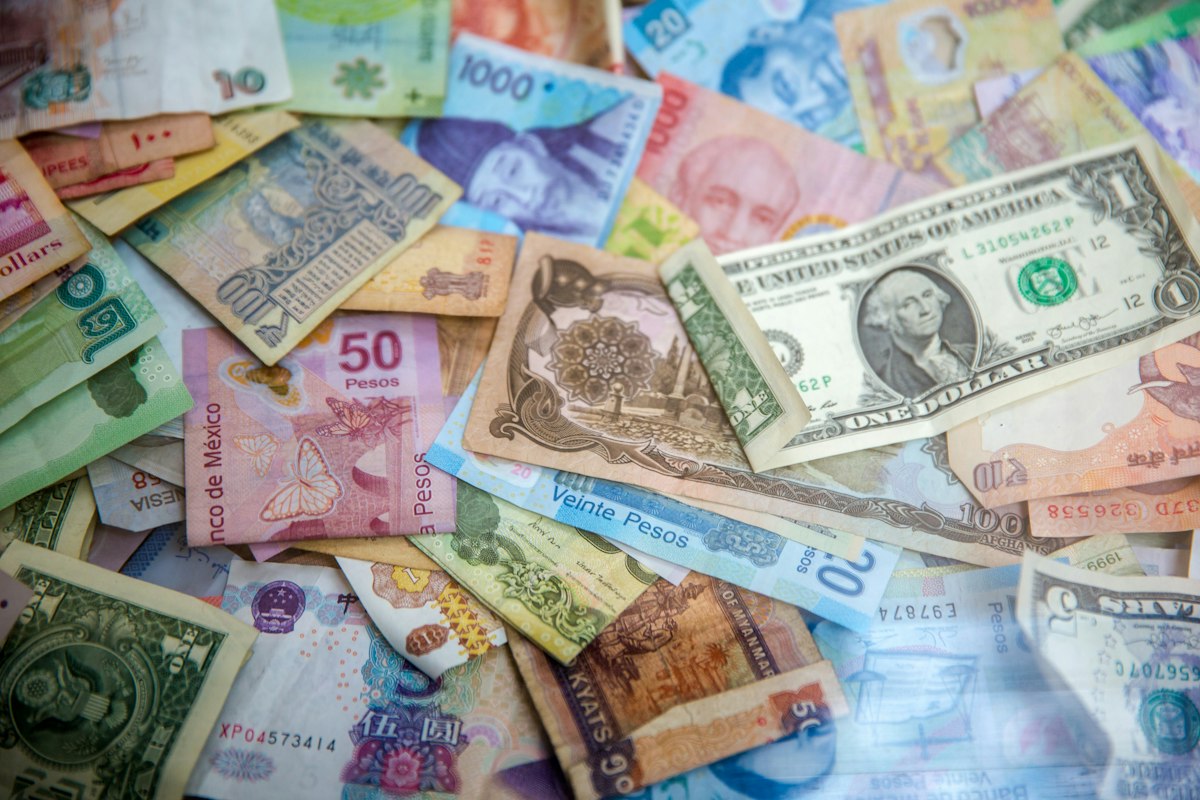
- Plan to carry cash — likely US dollars or euros, exchanged for Indian Rupees on arrival or at authorized exchange counters, rather than relying on card withdrawals from a Russian bank account.
- UPI is a genuinely useful workaround for day-to-day spending once you've exchanged some cash: foreign tourists can access India's UPI payment network through UPI One World, a prepaid wallet that doesn't require an Indian bank account, letting you pay at the same QR codes used almost everywhere in Goa — cafes, shacks, taxis, shops — without repeatedly handling cash.
- Check with your specific bank before departure regardless, since individual arrangements and any newer international payment partnerships can change — don't assume a blanket "it won't work" without checking your own card first.
- Currency exchange counters are widely available in Goa's tourist areas; compare rates rather than using the first counter you see, and avoid unauthorized street changers.
Best Time to Visit Goa
Late October through March is Goa's high season and the most comfortable window — this aligns with the charter flight schedule, warm but manageable temperatures, and calm seas after the monsoon. April through May turns hot and increasingly humid ahead of the monsoon, which runs roughly June through September and brings heavy rain, rough seas, and many beach shacks closing for the season entirely.
Best Things to Do in Goa
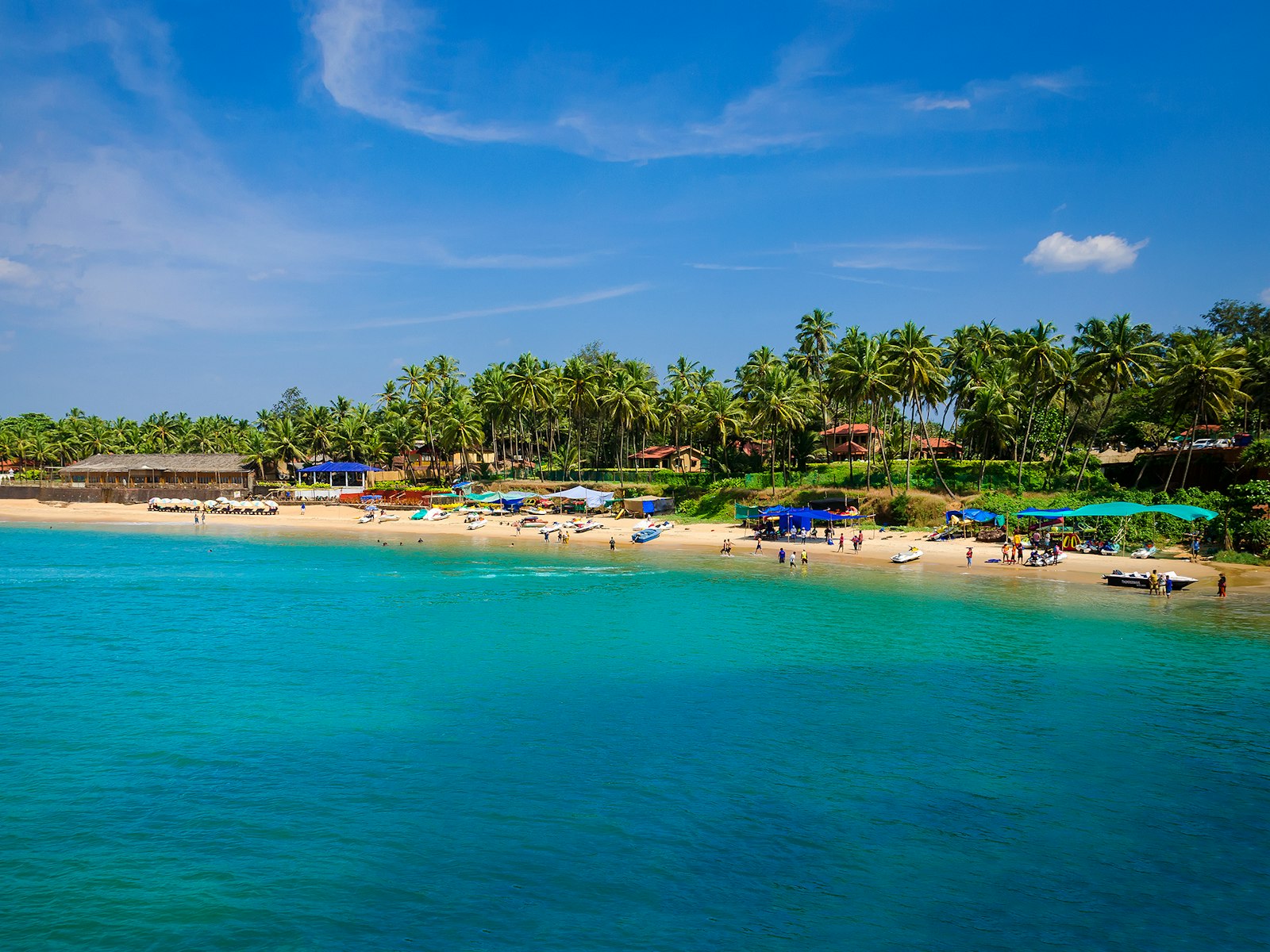
- North Goa's beaches — Baga, Calangute, Candolim, and Anjuna — offer the liveliest atmosphere, with beach shacks, markets, and nightlife; Morjim and Arambol, further north, have long been popular specifically with Russian long-stay visitors and have a noticeably more relaxed, less commercialized feel.
- South Goa's beaches — Palolem, Agonda, Colva — are generally quieter and more suited to travelers wanting a slower pace.
- Old Goa's churches, including the Basilica of Bom Jesus, a UNESCO World Heritage Site reflecting Goa's Portuguese colonial history — genuinely distinct from most of India's temple-centered heritage sites.
- Anjuna Flea Market (seasonal, typically Wednesdays in high season) for textiles, jewelry, and general market browsing.
- Spice plantation tours inland, a change of pace from the coast and a good half-day activity.
- Dudhsagar Falls, a dramatic waterfall on the Goa–Karnataka border, typically visited as a half- or full-day trip from the coast.
Alcohol, Nightlife, and a Genuine Goa-Specific Note
Unlike much of India, Goa has notably low excise duty on alcohol, making it considerably cheaper and more freely available than in most other Indian states — bars, beach shacks, and liquor stores operate openly, and this is a genuine, well-known difference from destinations like Pushkar or many other religious towns covered elsewhere on this site. That said, nude and topless sunbathing are illegal in Goa, despite a reputation some visitors arrive with — swimwear is expected on beaches, and it's worth knowing this clearly rather than assuming otherwise.
Dress and Cultural Etiquette
Goa is considerably more relaxed than most of India when it comes to dress — swimwear on the beach itself is entirely normal — but that relaxed standard doesn't extend past the sand. Walking through villages, local markets, or visiting Old Goa's churches in beachwear or without a shirt tends to read as inconsiderate rather than casual; a light cover-up for the walk between beach and town goes a long way. Churches expect modest dress similar to other religious sites elsewhere in India — shoulders and knees covered is a safe default. Our fuller guide on what to wear in India as a tourist covers this same beach-vs-town distinction in more depth.
Staying Connected: SIM Cards and eSIMs
Hotel Wi-Fi alone makes maps, ride-hailing, and translation apps far less usable day to day. To buy a local SIM from Airtel, Jio, or Vi, you'll need your original passport, valid Indian visa, and a proof of address in India — a hotel booking confirmation is typically accepted — at an official, carrier-branded outlet, including counters at Goa's airports. Our guide on whether foreigners need an Indian SIM card covers the full comparison against eSIM and roaming options.
Common Scams to Watch For
A handful of patterns show up often enough in Goa and across India's tourist circuits to be worth knowing in advance:
- Unmetered taxi overcharging — Goa's taxi pricing is notoriously inconsistent for tourists; app-based options and pre-negotiated rates help avoid disputes.
- Rental scooter and bike "damage" disputes at return time — photograph the vehicle thoroughly before and after any rental.
- Beach shack overcharging on drinks or food for visibly foreign customers — checking a menu's listed prices before ordering avoids most of this.
- Unofficial currency exchange offering attractive rates that turn out to shortchange or use counterfeit notes — stick to banks and clearly authorized counters.
These sit alongside the broader scam patterns covered in our guide to tourist scams in India and what to pack.
What to Pack
Lightweight, breathable clothing and swimwear cover most of a Goa trip, plus a light cover-up for moving between the beach and town. A universal travel adapter is essential — Russia uses Type C and F plugs at 220V, while India uses Type C, D, and M at 230V — Type C is actually shared between the two countries, so many Russian devices will fit Indian sockets directly, though it's worth carrying an adapter for Type D/M outlets as a backup. Sun protection (hat, sunglasses, high-SPF sunscreen) matters year-round given Goa's coastal sun, and a basic first-aid kit and copies of your passport and visa, stored separately from the originals, round out the essentials.
Frequently Asked Questions
Is the India e-visa really free for Russian citizens now?
Yes, as of 1 January 2026, India waived the consular fee for the 30-day e-Tourist Visa for Russian citizens — you still apply online in advance, but without the previous fee.
Do Russian bank cards work in Goa?
Generally no — Visa and Mastercard cards issued by Russian banks typically don't work outside Russia, and Mir has limited acceptance in India, so plan to carry cash and consider setting up UPI for local spending.
Are there direct flights from Russia to Goa?
Yes, charter flights connecting Moscow and Yekaterinburg to Goa are resuming for the 2026–27 winter season after a period of disrupted direct routes.
Is Goa safe for Russian tourists?
Generally yes, with the same standard precautions that apply to any beach tourist destination — taxi overcharging and rental disputes are more common concerns than serious crime.
Is nude or topless sunbathing allowed in Goa?
No, it's illegal despite the destination's reputation; swimwear is expected on Goa's beaches.
What's the best time of year to visit Goa?
Late October through March, aligning with the high season, comfortable weather, and the resumed charter flight schedule.
Can Russian tourists use UPI for payments in Goa?
Yes, through UPI One World, a prepaid wallet built for tourists that doesn't require an Indian bank account — a genuinely useful workaround given the card limitations.
Is alcohol easily available in Goa?
Yes, Goa has notably low excise duty on alcohol compared to most Indian states, making bars, beach shacks, and liquor stores considerably more common and affordable than elsewhere in India.
Will my Russian power adapter work in Goa?
Partially — Russia and India share Type C plugs, so many devices will fit directly, though a universal adapter covering Type D and M is worth carrying as a backup.
Which part of Goa is better for a first visit — North or South?
North Goa (Baga, Calangute, Anjuna, Morjim) offers more nightlife and a livelier scene; South Goa (Palolem, Agonda) suits travelers wanting a quieter, slower pace.