Petra deserves two full days, not the rushed half-day most group tours allow. The Treasury, the building everyone recognizes from photographs and one particular film franchise, is only the beginning — the Monastery hike, roughly an hour further into the site on foot, sees a fraction of the crowd and is arguably more impressive once you're standing in front of it.
Petra, properly explored
Entering through the Siq — a narrow, winding sandstone gorge that opens suddenly onto the Treasury's carved facade — is genuinely one of the great arrival moments in travel, and no amount of prior photo exposure fully prepares you for it in person. We spent our first day on the main trail and central tombs, then returned the second day specifically for the Monastery climb, arriving early enough to have the site to ourselves before the day's tour buses caught up.
A night in Wadi Rum
Sleeping in a Bedouin-run camp under Wadi Rum's almost completely unpolluted night sky is one of those experiences photographs genuinely can't capture — the silence out there is as memorable as the stars themselves, a kind of quiet that felt entirely unfamiliar after weeks of city travel elsewhere in the region. Our host that night, whose family has guided visitors through the desert for generations, cooked a meal buried and slow-roasted underground in a traditional zarb pit, and the whole evening felt less like a tourist activity and more like being genuinely hosted.
Jeep tours versus walking
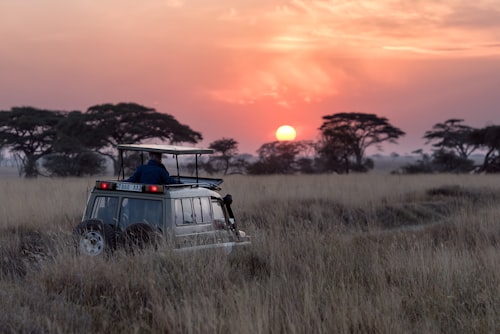
Most camps offer jeep tours through the surrounding rock formations, and while they cover more ground than walking would allow, we found the early morning and sunset hours — when most jeep groups have either not yet started or already returned — the best time to simply walk a short distance from camp and sit with the landscape rather than moving through it.
Floating, literally
The Dead Sea's buoyancy is genuinely disorienting the first time you experience it — you simply cannot sink, no matter how hard you try, and the sensation of your legs stubbornly floating upward regardless of effort took real getting used to. The mineral-rich mud, available in buckets along most of the public beach areas, is worth the slightly odd sulfurous smell that lingers afterward.
Amman, often overlooked
Most itineraries treat Amman purely as an arrival and departure point, but the downtown area's Roman amphitheater and the citadel hill above it deserve at least a half day. We nearly skipped it entirely and were glad a delayed flight forced an extra day in the city — the contrast between ancient ruins and the modern city built up around them is worth seeing on its own terms.
What surprised us
How much Jordanian hospitality shaped the trip beyond the major sites — a shopkeeper in Amman who insisted on making us tea before discussing prices, a Wadi Rum guide who detoured specifically to show us a set of ancient rock carvings not on any official map. None of it was staged for tourists; it simply seemed to be how things worked.
Practical notes
Ten days lets you move through all three main destinations without feeling rushed at any of them — Jordan rewards patience more than most trip itineraries seem to account for, and building in buffer time for Petra especially paid off considerably more than we expected going in.
If this kind of trip appeals to you, you might also like our budget-friendly Georgia backpacking route and practical safety tips for solo travelers.
Frequently Asked Questions
Is two days enough for Petra?
It's the minimum to see beyond the Treasury, including the Monastery hike — more time lets you explore at a slower pace.
Do I need a tour to visit Wadi Rum?
A local Bedouin-run camp typically arranges transport and activities within the protected area, which is the standard way to visit.
Can I actually not sink in the Dead Sea?
Correct — the extremely high salt concentration makes sinking essentially impossible; most visitors find it disorienting at first.