Ramadan is the ninth month of the Islamic calendar, during which Muslims fast from dawn to sunset, pray more and spend time with family and community. It is observed in dozens of countries, from Morocco and Egypt to Indonesia and Malaysia, and it affects daily life even in tourist destinations. For travellers, Ramadan is neither a barrier nor a reason to avoid a region. With the right expectations, it can be one of the most atmospheric times to visit, with festive evenings, shared meals and special markets. This guide explains the 2027 dates, what changes, how to behave respectfully, what to book and which destinations work best.
Ramadan 2027 Dates
Ramadan 2027 is expected to begin on Monday, February 8, 2027, based on astronomical calculations, and to last 29 or 30 days. The Umm al-Qura calendar used in Saudi Arabia projects Eid al-Fitr on Tuesday, March 9, 2027, while other countries may celebrate on March 10 depending on the moon sighting. The start in some countries could fall on February 9. Official announcements are made one or two days before, so keep your plans flexible and confirm with local sources. The last ten nights, including the 27th night around March 5 to 6, are especially significant and may be busier in mosques and public spaces.
What Changes for Travellers
- Daytime opening hours: many restaurants, cafés and some shops open late or close during the day in more conservative areas, then open after sunset. Tourist-oriented businesses in cities like Dubai, Marrakech and Istanbul often stay open, but may screen their dining areas.
- Public eating and drinking: it is polite to avoid eating, drinking and smoking openly in public during daylight hours in Muslim-majority countries, and in some places, local rules apply. Drink water discreetly in your hotel or in places that cater to non-fasters.
- Alcohol: availability is often reduced, and some hotels and bars close or restrict service. Check ahead if it matters to you.
- Working hours: offices, banks and government services run shorter hours, and traffic patterns change, with heavy congestion before sunset.
- Entertainment: music and nightlife may be toned down, particularly in the first weeks, with some venues closed.
- Tours and activities: some activities have adjusted schedules or are not offered during the day. Ask in advance.
The Evening Is the Best Part: Iftar and Suhoor
At sunset, the fast is broken with iftar, often starting with dates and water and followed by a large meal. Streets, cafés and homes come alive, and many hotels and restaurants offer special iftar buffets. If you are invited to share iftar, accept with thanks, arrive on time and bring a small gift such as dates or sweets. Suhoor, the pre-dawn meal, is also a social time in some cities, with cafés staying open late. Plan your days with a quiet or flexible afternoon, because the early evening, around sunset, can be very busy with traffic and people rushing to reach home or a restaurant.
Etiquette: How to Be a Good Guest
- Dress modestly, covering shoulders and knees, and avoid tight or revealing clothing.
- Avoid public displays of affection, loud music and loud behaviour, especially near mosques.
- Be patient and kind at sunset and at the end of long fasting days, since people can be tired.
- Do not offer food or drink to a fasting person in a way that puts them under pressure, and accept refusals graciously.
- Learn a simple greeting, such as "Ramadan Mubarak" or "Ramadan Kareem", and use it warmly.
- Ask before photographing people at prayer or iftar.
Best Destinations During Ramadan
Dubai and the UAE
Dubai remains well set up for visitors, with hotel iftars, night markets and special events. The pace is quieter during the day and lively at night. Read our Dubai guide for details on local rules, which also apply in Ramadan.
Morocco: Marrakech and Fes
Medina life shifts toward the evening, with markets and cafés filling up after iftar. Daytime sightseeing is quieter and cooler in February. See our Fes travel guide for planning.
Istanbul
Istanbul's Ramadan atmosphere is famous, with special food, fairs around the old city and evening gatherings in Sultanahmet. Many visitors find it a rewarding time, with fewer crowds in the main museums.
Indonesia and Malaysia
Ramadan bazaars sell festive food, and cities have an evening buzz. Be aware that Eid in Indonesia is expected around March 10, and Bali's Nyepi falls on March 9, creating a very busy holiday cluster; see our Nyepi guide.
Cairo, Amman and Muscat
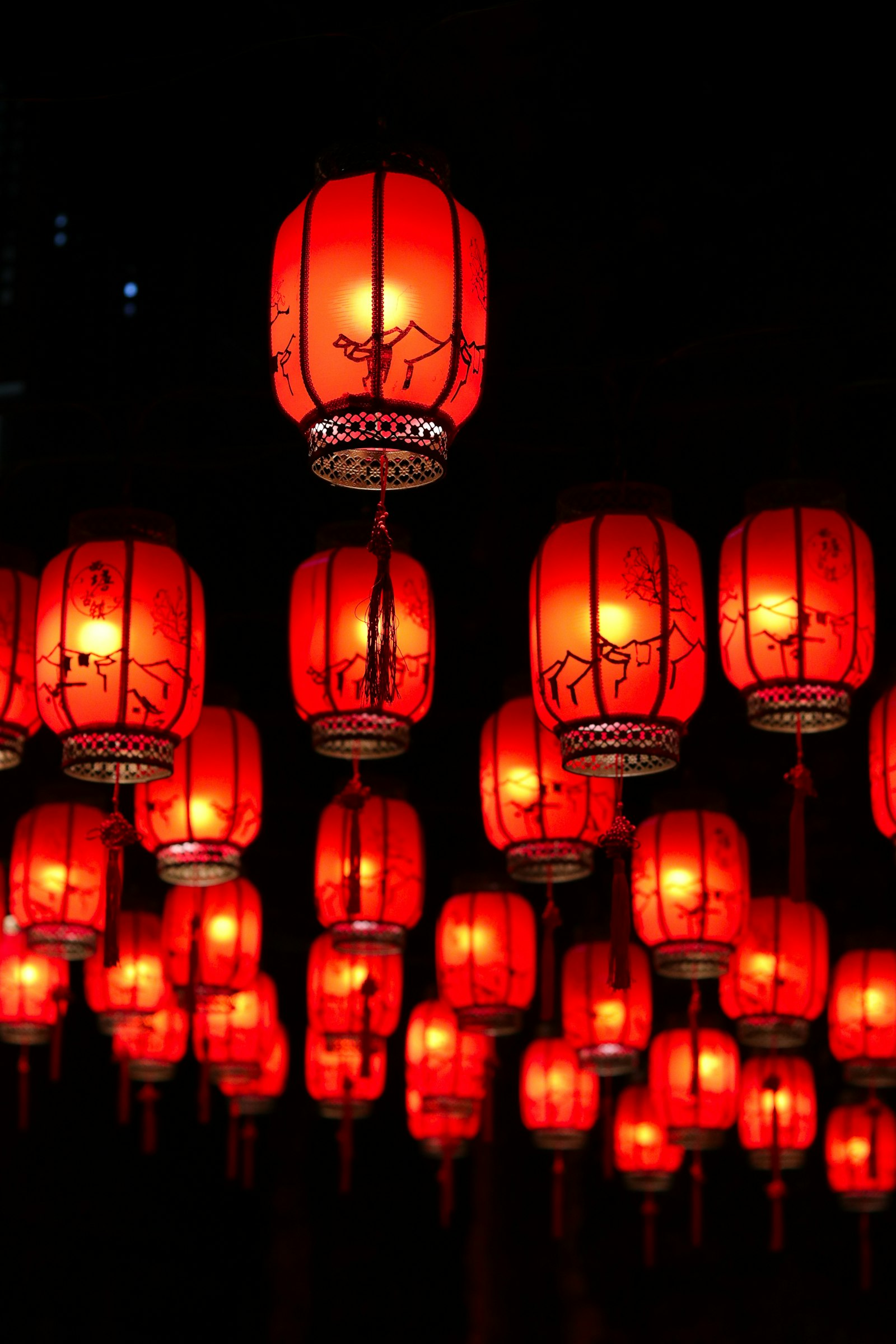
These cities have strong Ramadan traditions, such as lanterns, special sweets and evening gatherings. Check local opening hours for museums and sights.
When Ramadan Is Not the Best Time to Go
If you want a lively daytime food scene, a party atmosphere or a heavy sightseeing schedule, Ramadan may be frustrating in more conservative destinations. If you are hiking, doing strenuous activities in hot weather or relying on local guides and drivers who are fasting, plan shorter, lighter days. If you are travelling with children, plan snacks you can eat discreetly in private.
Eid al-Fitr: The Travel Surge After Ramadan
Eid al-Fitr is a major holiday, with several days of public holidays in many countries. Millions of people travel to see family, and flights, trains and hotels become busier and more expensive. In some countries, the holiday extends across a long weekend or more. If you plan to travel at the end of Ramadan, book transport early, and check holiday dates, since official confirmation comes late. Alternatively, travel in the middle of Ramadan, when some markets may offer lower prices and fewer tourists.
Sample 7-Day Plan: Ramadan in Morocco
Days 1 to 2: Marrakech
Arrive and explore the medina in the morning, rest in the afternoon, and visit the main square after sunset. Try an iftar at a rooftop or a local restaurant.
Days 3 to 5: Fes
Take a train to Fes, hire a guide for the medina on a cooler morning, and spend the evenings in the market and cafés.
Days 6 to 7: Volubilis and departure
Visit the ancient ruins on a day trip, and leave time for travel on your last day.
Health and Practical Tips
- Stay hydrated discreetly, and carry water in a bag if you are in a conservative area.
- Carry snacks for yourself, and eat in your hotel, in cafés that cater to non-fasters or in private areas.
- Keep a flexible schedule, since public transport and taxis may be busy near sunset.
- Check opening hours of attractions the day before, since they often change.
Budget and Booking Tips
Compare hotel and flight prices for different parts of Ramadan, since prices may be lower in the first and middle weeks and rise near Eid. Book hotel iftars early if you want one, and choose refundable options in case the moon-sighting shifts dates. For ready-made ideas on where to go and how to structure a trip, the curated travel journeys on Zentrevo are a useful place to compare destinations before you book.
More Questions Visitors Ask
Can non-Muslims eat in public during Ramadan?
Rules vary by country. In many tourist areas it is allowed, but being discreet is polite and, in some places, expected.
Are museums and attractions open?
Most are, often with shorter hours. Check before you go.
Is it a good time for a first visit to a Muslim-majority country?
It can be, if you enjoy culture and evening life and are flexible. If you want a classic, relaxed holiday with full daytime dining, travel at another time.
Can I join an iftar?
Yes. Many hotels, restaurants and community groups welcome guests, and some mosques host public iftars.
Common Mistakes to Avoid
- Planning daytime dining and lunch meetings without checking opening hours.
- Eating or drinking openly in conservative areas.
- Booking a non-refundable trip based on a single moon-sighting date.
- Underestimating traffic and crowds at sunset.
Final Checklist
- Ramadan and Eid dates checked, with flexible bookings.
- Opening hours confirmed for attractions, tours and restaurants.
- Modest clothing and discreet snacks packed.
- One or two iftar experiences planned.
If you would like help choosing a destination for Ramadan 2027 or matching dates to your route, use the contact form below.
Frequently Asked Questions
When is Ramadan 2027?
Ramadan 2027 is expected to begin on Monday, February 8, 2027, with Eid al-Fitr around March 9 or 10, depending on moon sighting.
Can I travel during Ramadan?
Yes. Many visitors enjoy the evening atmosphere, but daytime hours and dining change, so plan ahead.
Can I eat in public during Ramadan?
In tourist areas it is often allowed, but it is polite to be discreet, and rules vary by country.
What is iftar?
The meal that breaks the fast at sunset, often starting with dates and water.
Which destinations are good in Ramadan?
Dubai, Marrakech and Fes, Istanbul, Malaysia, Indonesia and Cairo all have strong Ramadan traditions.
Are flights more expensive around Eid?
Often yes, because of holiday travel, so book early.