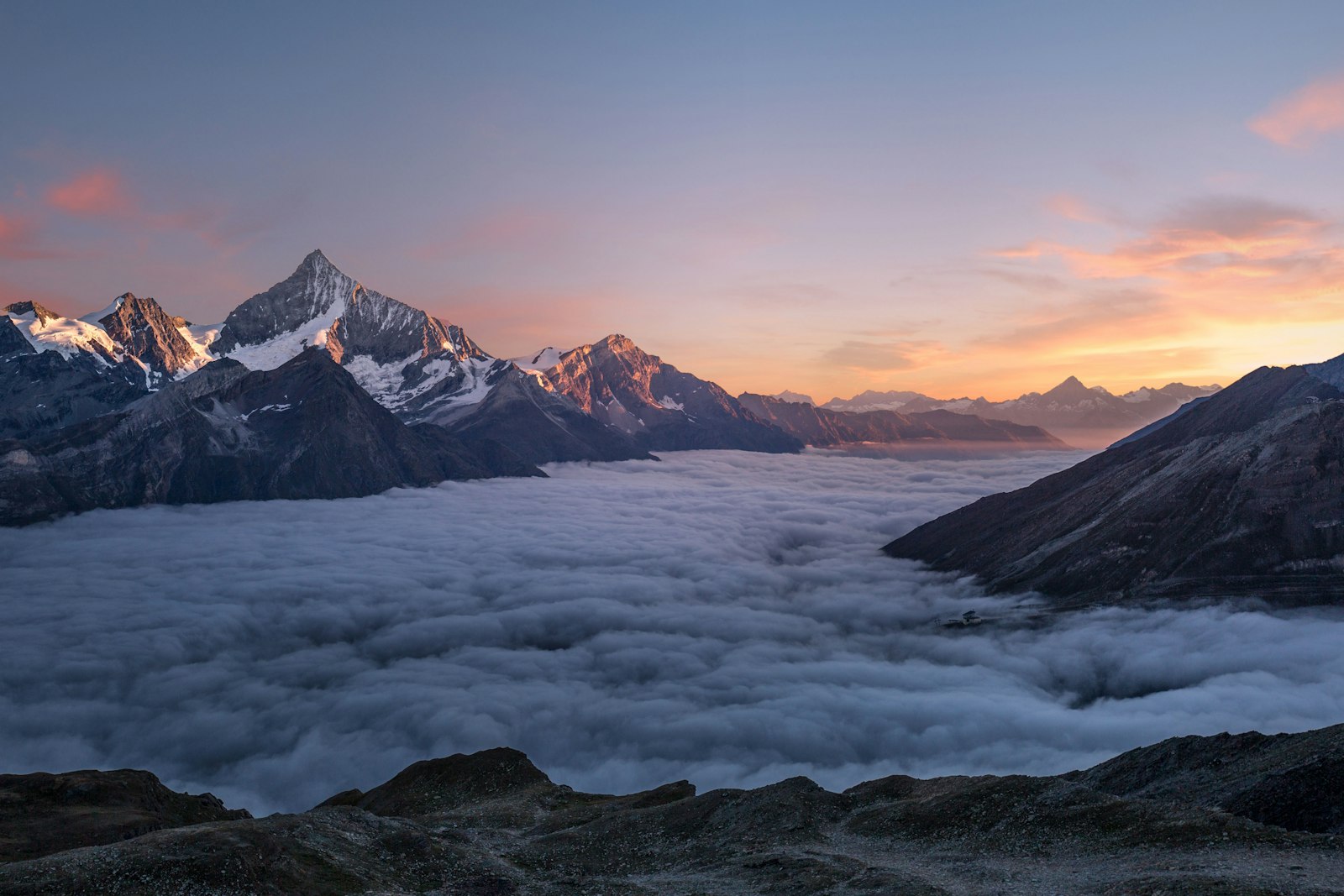
Spiti sits in a rain shadow behind the main Himalayan range, which gives it a landscape unlike almost anywhere else in India — bare, folded mountains in shades of ochre and grey, ancient monasteries perched on cliff edges, and villages that still run on a rhythm shaped more by altitude than by calendar.

Getting there and the acclimatization problem
Most first-time visitors enter via Manali over the Kunzum Pass or via the longer, gentler route through Shimla and Kinnaur, which gains altitude more gradually and is generally the better option for avoiding altitude sickness. Either way, budgeting a rest day early in the trip — ideally in a mid-altitude town before pushing on to Kaza — makes a genuine difference to how the rest of the trip feels.
A realistic 7-day shape
We'd structure a first visit roughly as: two days easing in through Kinnaur or Manali with a proper acclimatization stop, two to three days based in and around Kaza visiting nearby monasteries and villages, a day out toward Kibber and Chicham for high-altitude views and a shot at spotting Himalayan blue sheep, and a final couple of days making the return journey rather than rushing it in one long push.
Monasteries worth the detour
Key Monastery, perched dramatically above the Spiti River, is the one everyone photographs, and it earns the reputation. Quieter alternatives — Tabo, with murals said to date back over a thousand years, and Dhankar, built into a cliff face that looks close to impossible — rewarded us with more time and fewer other visitors, echoing the same instinct that led us to seek out Uzbekistan's less-visited Silk Road stops rather than only the headline sites.
What altitude actually feels like here
This isn't a place to underestimate. Kaza sits above 3,600 meters, and several villages and viewpoints push well past 4,000 — high enough that mild headaches, breathlessness on simple walks, and disrupted sleep are common even for otherwise fit travelers in the first day or two. Hydrating heavily, climbing high only after sleeping low where possible, and simply building in more rest than feels necessary are the habits that made the difference for us.
Roads, timing, and why the season window matters
Spiti is only reliably open roughly June through October, when the connecting passes are clear of snow; outside that window, access narrows dramatically and requires far more planning. It's a similar seasonal discipline to what we found in Georgia's mountain regions, where the window for comfortable high-altitude travel is real and worth building an itinerary around rather than fighting against.
Checking current road and permit conditions
Road conditions and any inner-line permit requirements for border-adjacent areas can change season to season, so it's worth confirming current status before finalizing a route. The Himachal Pradesh Tourism Department's official Spiti Valley page is the most reliable government source for current travel advisories.
Frequently Asked Questions
How many days do you need for Spiti Valley?
A realistic first visit needs at least 7-8 days including acclimatization, given the altitude and long driving distances between villages.
When is Spiti Valley open to visitors?
Roughly June through October, when the high mountain passes connecting Spiti to Manali and Shimla are clear of snow; winter access is far more limited and requires the longer route via Shimla and Kinnaur.
Is altitude sickness a real concern in Spiti Valley?
Yes — much of the valley sits above 3,000 meters, and popular villages like Kaza and Kibber are high enough that a slow, staged ascent with a rest day is genuinely important, not optional caution.