Kyoto is one of the best cities in Japan for vegetarians, and one of the trickiest for Indian vegetarians. Temple cuisine, tofu, yuba and seasonal vegetables are everywhere, which is wonderful. But the city's food also runs on dashi, a fish-based stock that hides in miso soup, noodle broth and sauces, which is not wonderful if you eat strictly vegetarian.
This guide explains what to look for, what to say, which kinds of restaurants are safest and how to plan a few easy meals around your sightseeing. If you are still planning the trip, our Japan tourist visa documents checklist for Indians covers the paperwork, and our slow travel Kyoto itinerary shows a relaxed pace. For stricter diets, read our guide to Jain food options in Japan.
The One Thing to Understand: Dashi
Almost every Kyoto vegetarian problem comes back to dashi. The Zurich Kotak guide explains that it is usually made from kelp and bonito flakes (dried fermented fish), and that it appears in miso soup, noodle broths, sauces and some batters. Kelp-only and shiitake dashi are vegetarian, but you cannot tell by looking. Kyoto's official tourism site says dashi fish stock is "hard to avoid" in Japanese food.
Bonito also turns up as a topping, for example on chilled tofu and okonomiyaki, and packaged natto often comes with a dashi sauce. The guide warns that even stocks and sauces usually contain some meat-based ingredients, so simply asking for "vegetarian" may not be enough.
What to Say and Show
The most useful thing you can carry is a short, clear request, written in Japanese. The Zurich Kotak guide suggests phrases such as "Niku to sakana wa tabemasen" (I do not eat meat or fish) and "Kore ni sakana no dashi wa haitte imasu ka?" (Is there fish stock in this?). It advises listing every ingredient you avoid, including chicken, pork, egg and dashi, and showing it on a printed card or translation app. Take a photo of your card so it is always on your phone.
- Write your list. Meat, fish, chicken, pork, egg, dashi and any other ingredient you avoid.
- Translate it. Use a translation app or printed card, and check it with your hotel front desk if possible.
- Book ahead. Kyoto's tourism site says restaurants often need to prepare in advance, so reserve where you can.
- Ask about stock. Ask whether the broth or sauce contains fish, especially for miso soup, noodles and tempura batter.
- Read labels. In shops, check the ingredient list, not just allergen symbols, because bonito is not on Japan's allergen lists according to the guide.
Where to Eat: Safer Choices by Type
Use the filter to see the kinds of places that work best. Named restaurants come from our sources, and none of them guarantees a dashi-free kitchen, so always ask.
Shojin ryori
Kyoto's tourism site describes shojin ryori as Buddhist-derived cuisine that avoids meat and fish, and recommends advance reservations. It also warns that some establishments use fish-based broth, so ask. Shigetsu at Tenryu-ji in Arashiyama and Izusen at Daitoku-ji are named in our sources.
Yudofu, yuba and o-fu
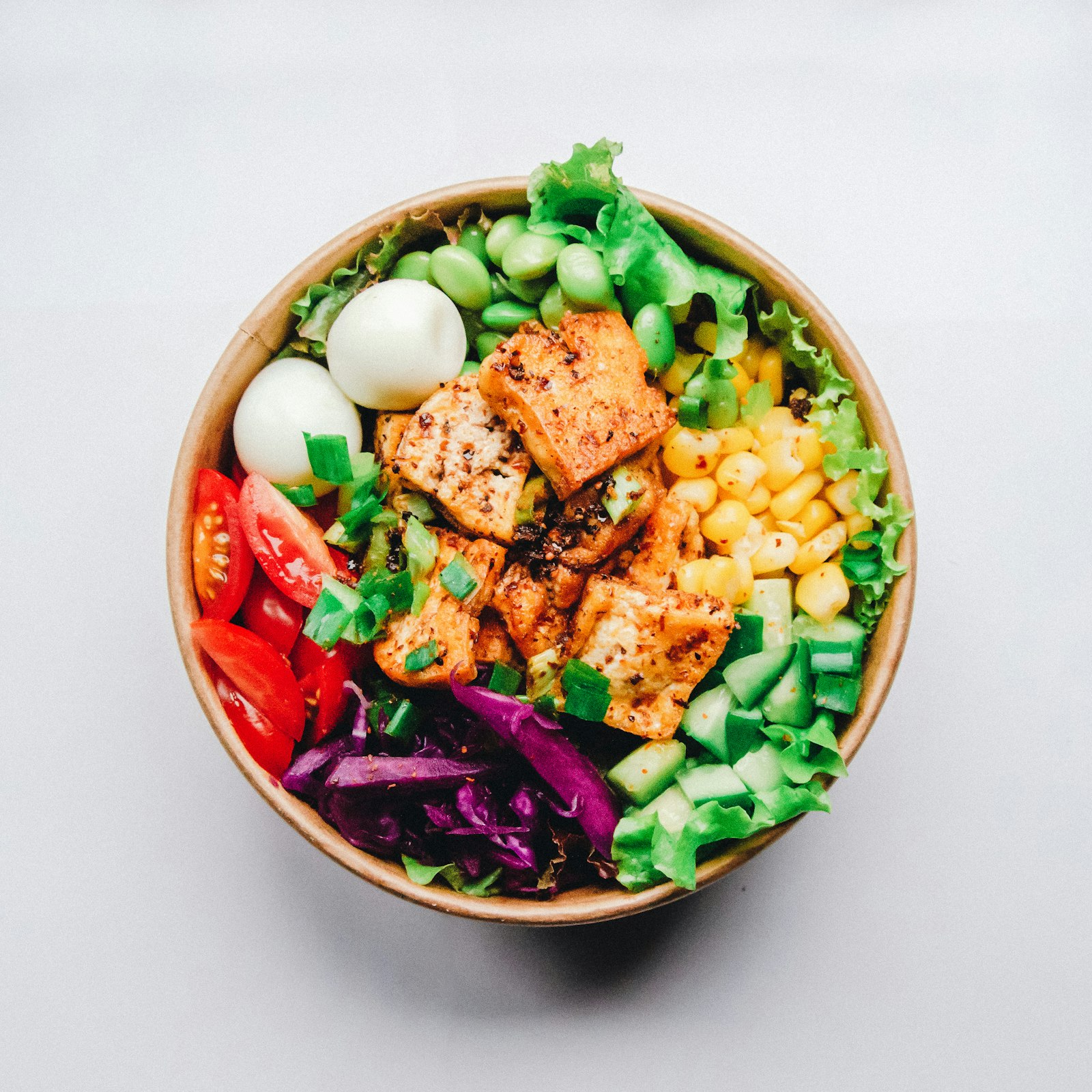
The tourism site lists tofu hot pot, yuba (tofu skin) and wheat gluten as meatless local dishes. Check the broth, since a fish-based stock is possible.
Vegan cafes
Inside Kyoto lists Mumokuteki Cafe in downtown Kyoto and AIN SOPH. Journey Kyoto near Shinkyogoku as vegan-friendly options in the budget to mid-range tiers. Confirm current menus.
Japanese-style vegetarian
Choice, near Sanjo-Keihan, is listed as Japanese-style vegetarian, vegan and gluten-free. Confirm what is fully vegan.
Falafel and Indian-style kitchens
Falafel Garden in northern Higashiyama is listed as vegetarian. For Indian restaurants, do not assume a kitchen is pure vegetarian. Ask whether vegetable dishes share gravies or pans with meat, as the Zurich Kotak guide advises.
Convenience stores
Options include onigiri with umeboshi or kombu, edamame, packaged beans, simple salads and inarizushi, according to the guide. Egg-eating vegetarians can add cheese sticks and quail eggs.
Indian grocery and kitchens
For longer stays, a room with a kitchen gives more control. Another guide suggests Indian grocers in Tokyo, Kyoto and Osaka for staples.
A Simple Day of Meals
Open the tab for the part of the day you want to plan.
Breakfast
Choose a cafe or hotel breakfast where you can see the food, or buy fruit, yoghurt and bread from a convenience store. Check ingredients on pastries and bread, since lard and gelatin can hide in baked goods. Our sources do not mention lard, so check it separately.
Lunch
Lunch is the best time for a shojin ryori set or a vegan cafe, because many temple restaurants serve at midday and you can reserve. Our early cherry blossom guide helps you see the sights first and eat once the crowds arrive.
Dinner
Have a backup, such as an Indian restaurant you have confirmed or a convenience store meal. If you are tired, a safe simple dinner beats a risky restaurant. Evening is also when reservation-only places are harder to enter.
Which Situation Describes You?
Use the picker for the next step.
Reading a Menu and Spotting Trouble
You do not need to read Japanese fluently. A few signals help. The Zurich Kotak guide lists labels worth checking on packaged food: エキス (extract, as in chicken extract), ゼラチン (gelatin) and 煮干し (dried sardines), and it tells you to read the 原材料名 (ingredients) list rather than relying on allergen symbols. For restaurant dishes, ask about the broth and any toppings.
- Noodles and rice bowls: ask about the soup base and any bonito or meat toppings.
- Okonomiyaki and tofu dishes: bonito flakes are a common topping, so ask for them to be left off.
- Tempura: ask for egg-free batter if you avoid egg, as the guide suggests.
- Set meals: small side dishes can contain fish, so ask about each one.
Eating Well Without Overspending
Our sources give price tiers rather than yen amounts. Inside Kyoto labels the cafes it lists as budget to mid-range, and Izusen's temple lunch as mid-range. Without yen prices, the practical advice is to check each menu online or at the door, mix a special shojin ryori lunch with simple cafe or convenience store meals and keep a little cash for small places. Insurance matters too if a food reaction or illness would disrupt your trip, so read our travel insurance guide for Indians before you fly.
Eating With Family or a Mixed Group
If you travel with non-vegetarians, choose places with a clearly vegetarian menu so everyone eats together. Cafes and tofu restaurants often work for mixed groups, and a set meal booked in advance avoids long discussions at the table. Tell the restaurant about every diet when you reserve, including children's needs, so the kitchen can plan. If your group includes elders, our slow travel Kyoto itinerary for seniors suggests an easy pace that leaves time for a proper lunch.
Beyond Kyoto: Temple Stays
If you extend your trip, the Zurich Kotak guide notes that Koyasan in Wakayama has 51 temple lodgings (shukubo) where, according to JNTO, each meal is free of meat, fish, green onion and garlic. Book well ahead. Our Kyoto sources do not cover Koyasan in detail, so ask the temple about dashi and dairy before you book.
Mistakes to Avoid
- Assuming "vegetarian" is understood in Japan. Name every ingredient you avoid.
- Ordering miso soup, noodles or tempura without asking about fish stock or egg batter.
- Trusting allergen icons as a vegetarian check.
- Not booking temple restaurants, which often need advance notice.
- Assuming an Indian restaurant is pure vegetarian. Ask about shared pans.
- Relying on one list. Menus and owners change, so use recent reviews.
Kyoto Vegetarian Checklist
Tick each item before you go.
0 of 6 done. Tick the boxes above.
Final Thoughts
Kyoto can be delicious for vegetarians once you know that dashi is the hidden variable. Carry a clear card, book temple meals early, check broths and keep a safe backup. After that, the city's tofu, seasonal vegetables and quiet temple lunches are among the best meals of the trip.
Read our Visa Guide, browse the blog or send us a note with the form below.
Frequently Asked Questions
Is Kyoto good for vegetarian Indian travellers?
Yes, with planning. Kyoto's tourism site says the city has many vegetarian cafes and restaurants and traditional dishes such as yudofu and yuba. The main risk is hidden fish stock, so ask about broth.
What is dashi and why does it matter?
Dashi is a Japanese stock usually made from kelp and bonito flakes. It appears in miso soup, noodle broths and sauces, so strict vegetarians need to ask about it.
Is shojin ryori always vegetarian?
It avoids meat and fish, according to Kyoto's tourism site, but some establishments use fish-based broth, so ask in advance. It also may not suit a Jain diet automatically.
What should I say to a restaurant in Japan?
One guide suggests 'Niku to sakana wa tabemasen' (I do not eat meat or fish) and 'Kore ni sakana no dashi wa haitte imasu ka?' (Is there fish stock in this?). Show a written card as well.
Can I find vegetarian food at convenience stores in Japan?
Yes. Options include onigiri with umeboshi or kombu, edamame, packaged beans, simple salads and inarizushi. Read the ingredient list, not just the allergen icons.
Do I need to book vegetarian restaurants in Kyoto?
Kyoto's tourism site recommends advance reservations for shojin ryori and says restaurants often need to make special preparations.