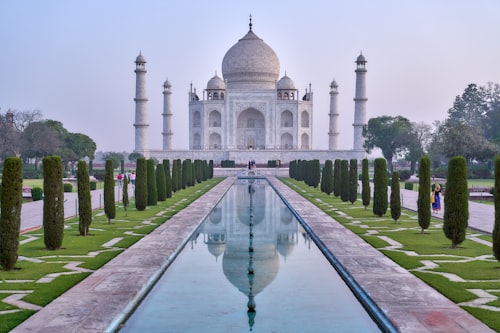
What works walking through a Rajasthani fort at noon will leave you cold in a Himalayan hill station, and what's fine on a Goa beach will get you turned away at a temple entrance an hour inland. This guide breaks it down by setting, not by vague generalization, so you can actually pack with some confidence.
None of this is about performing a costume or "blending in" — that's not realistic or necessary. It's about dressing in a way that's comfortable for the climate and genuinely respectful of the places you're visiting, which is a lower bar than it sounds and one most travelers clear easily once they know the specifics. This sits alongside the broader groundwork in our guide on what foreign tourists need to know before visiting India, if you're still working through the earlier planning stages.
The General Principles
Before getting into specific settings, three things apply almost everywhere in India, regardless of region or religion:
- Modesty travels well. Loose, lightweight clothing that covers shoulders and knees is rarely the wrong call, even outside religious contexts.
- Footwear comes off constantly. Temples, mosques, gurdwaras, many shrines, and plenty of private homes all expect shoes removed at the door — pack accordingly.
- Layers beat single heavy items. India's temperature swings — through the day, and across regions — make a few light layers more useful than one bulky garment.
Clothing for Indian Cities
City dressing in India is more flexible than most first-timers expect, particularly in cosmopolitan areas of Delhi, Mumbai, and Bengaluru, where Western-style clothing is completely normal on the street. That said, a few practical notes make city days easier:
- Lightweight cotton or linen trousers and breathable tops handle heat and humidity far better than heavier synthetic fabrics.
- Modest necklines and hemlines draw less unwanted attention in general, though this varies meaningfully by city and neighborhood.
- Comfortable, closed or easily removable shoes matter more in cities than you'd think, given how much walking a typical sightseeing day involves and how often you'll be taking shoes off and on.

Temple, Mosque, and Religious Site Dress Codes
This is the one area where "what to wear in India as a tourist" stops being a preference and starts being a genuine requirement. Different faiths have different specific expectations, and it's worth knowing them rather than assuming one rule covers everywhere.
| Site type | Typical expectation |
|---|---|
| Hindu temples | Shoulders/knees covered, shoes off; some Kerala temples expect men shirtless — rules vary by temple |
| Mosques | Fully covering attire; women often cover head, arms, legs; men avoid shorts/sleeveless; shoes off |
| Gurdwaras | Head covering required for everyone; shoulders/knees covered; shoes off; loose clothing since seating is on the floor |
| Churches/monasteries | No strict formal code, but modest, covering clothing still expected |
A few practical notes that apply across most of these:
- Some Hindu temples provide a shawl or wrap for visitors who arrive underdressed, but it's more reliable to simply pack accordingly than to count on this.
- Gurdwaras will usually have spare head-covering cloths available at the entrance if you don't bring your own scarf or bandana — but bringing one saves a step.
- Photography rules vary by site and are worth checking or asking about before you raise a camera, entirely separate from the dress code itself.
A Practical Temple-Visit Kit
Packing one lightweight scarf that can double as a headscarf, shoulder cover, or knee cover solves most religious-site dress requirements in a single item, for travelers of any gender.
What to Wear at Beaches and Coastal Areas
Beach destinations like Goa and parts of Kerala are noticeably more relaxed than the rest of the country, and swimwear is widely accepted within tourist-oriented beach zones specifically. The nuance worth knowing: that relaxed standard doesn't automatically extend past the sand. Walking through a nearby village, local shop, or religious site in swimwear or without a shirt tends to read as inconsiderate rather than casual — a light cover-up for the walk between beach and town goes a long way.
What to Wear in Rural Areas and Smaller Towns
Rural India and smaller towns generally lean more conservative than major cities, and dressing modestly here isn't just about religious sites — it's a broader social norm worth respecting throughout the day. Loose-fitting, fully covering clothing draws less attention and tends to make everyday interactions — asking directions, browsing a local market — noticeably smoother.
Dressing for Hot Weather
Much of India runs genuinely hot for large stretches of the year, and the clothing that handles this well isn't complicated:
- Fabrics: Cotton and linen breathe far better than synthetic blends and dry faster if you're sweating through a midday walk.
- Colors: Lighter colors reflect heat more effectively than dark ones, and are also more practical for staying visibly clean-looking through a dusty travel day.
- Fit: Loose-fitting clothing allows airflow in a way tight clothing simply doesn't, and it's more comfortable in humidity as well as heat.
- Sun protection: A wide-brimmed hat, sunglasses, and high-SPF sunscreen matter more than most travelers pack for, particularly given how strong midday sun can be across most of the country for much of the year.
Dressing for Cooler Weather
The "India is always hot" assumption catches a surprising number of first-timers off guard. North Indian cities like Delhi, Agra, and Jaipur get genuinely cold and foggy in December and January mornings and evenings, and hill stations and higher-altitude regions — parts of the Himalayas, for instance — can require proper cold-weather layering well outside the winter months entirely, as we found firsthand in our Spiti Valley itinerary guide.
- Pack a warm layer (a fleece or light jacket) if your itinerary touches North India in winter or any higher-altitude region at any time of year.
- Layering beats one heavy coat, since daytime temperatures can still climb even when mornings start cold.
- A light scarf doubles usefully here too, for both warmth and the religious-site coverage mentioned earlier.
Footwear for India Travel
Footwear deserves its own section, because it comes up constantly and differently than travelers expect:
- Comfortable, sturdy walking shoes or sandals for cities and general sightseeing, where uneven pavement and long walking days are common.
- Slip-on-friendly footwear is genuinely useful given how often shoes come off — temples, mosques, gurdwaras, smaller shrines, and many private homes all expect it.
- Closed shoes for treks, rural areas, or anywhere with uneven or rough terrain.
- Socks are generally fine to keep on inside religious spaces once shoes are removed, though floors can be dusty or occasionally damp, so pack a few extra pairs.
This pairs directly with the broader packing list in our guide on tourist scams and what to pack for India, which covers the rest of the kit beyond clothing — and our guide on adapters, electronics, and monsoon packing covers the technical side neither of us touches on here.
Packing Recommendations for Women
- Loose tops and trousers, kurtas, or maxi dresses that cover shoulders and knees cover most situations without requiring multiple wardrobe changes per day.
- A couple of lightweight scarves — for sun protection, temple visits, and layering in cooler evenings — pull a lot of weight for very little suitcase space.
- Leggings or loose trousers under tunics or kurtas work well for both modesty and comfort across most settings.
Packing Recommendations for Men
- Lightweight, breathable trousers rather than shorts are the safer default outside beach zones, particularly for temple and rural visits.
- Collared or looser-fitting shirts read as slightly more respectful than tank tops or sleeveless tops in most non-beach contexts.
- A packable layer for evenings and any northern or high-altitude legs of the trip.
For general cultural context beyond dress specifically, the Ministry of Tourism's official Incredible India portal is a useful starting point for region-specific etiquette before you travel.
Frequently Asked Questions
What should I avoid wearing in India as a tourist?
Very revealing, tight-fitting, or exposed clothing — particularly outside beach zones — tends to draw more attention than intended and isn't appropriate at religious sites.
Do women need to cover their heads in India?
Not everywhere, but it's required at gurdwaras for everyone regardless of gender, and often expected at mosques specifically — a light scarf covers both situations easily.
Can I wear shorts in India?
In cities and beach areas, generally yes; at temples, mosques, gurdwaras, and in more rural or conservative areas, lightweight trousers are the safer choice.
What fabric is best for traveling in India?
Cotton and linen are the most practical choices for most of the country most of the year — breathable, quick-drying, and comfortable in heat and humidity.
Do I need to bring warm clothes to India?
Yes, if your itinerary includes North India in winter (December–February) or any higher-altitude or hill-station region, where temperatures drop more than travelers often expect.
What should I wear to visit a Hindu temple?
Shoulders and knees covered, shoes removed at the entrance; some temples have additional specific requirements, so it's worth checking ahead for any site with unusual rules.
Is it okay to wear swimwear outside the beach in Goa?
It's best kept to the beach itself; walking through nearby towns, shops, or religious sites in swimwear tends to be seen as inconsiderate.
What shoes should I pack for a trip to India?
Comfortable walking shoes or sandals for cities, plus footwear that's easy to slip on and off given how often shoes come off at religious sites and homes.
Is sun protection clothing necessary in India?
Yes, for much of the year — a wide-brimmed hat and lightweight, covering clothing help manage strong midday sun across most of the country.
Do men need to cover their heads at any religious sites in India?
Yes, at gurdwaras specifically, where head covering is required for all visitors regardless of gender.