But most first-time visitors don't have three months — they have somewhere between a week and two weeks, a flight already booked, and a reasonable amount of anxiety about getting the itinerary wrong. This guide is built around that reality: practical timeframes, routes that actually make sense on the ground, and the kind of detail you only get from having sat on the trains and stood in the visa queues yourself.
How Many Days Should You Spend in India?
For a first visit, 7 to 14 days is the realistic range. Fewer than 7 and you'll spend more time in transit than in front of anything worth seeing. More than 14, and unless you're committed to a specific region, you'll likely end up overextending yourself across a country that's genuinely the size of a continent — Kerala and Kashmir have almost nothing in common except the passport stamp.
The single biggest mistake first-timers make is trying to cover too much ground. India rewards depth over breadth on a first trip. Better to properly experience Delhi, Agra, and Jaipur — the classic Golden Triangle — than to rush through five states and remember none of them clearly.
The 7-Day Itinerary: The Golden Triangle, Done Properly
Delhi (Days 1–2): Old Delhi's Jama Masjid and Chandni Chowk for the sensory overload, New Delhi's Humayun's Tomb and India Gate for a calmer contrast, and at least one evening left free to just wander a neighborhood like Hauz Khas Village.
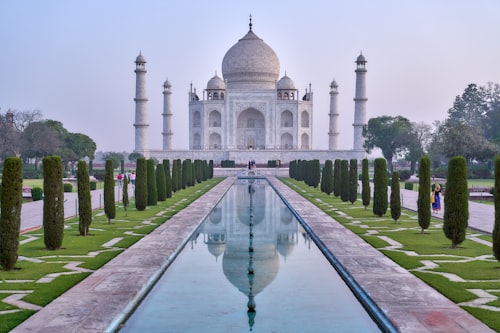
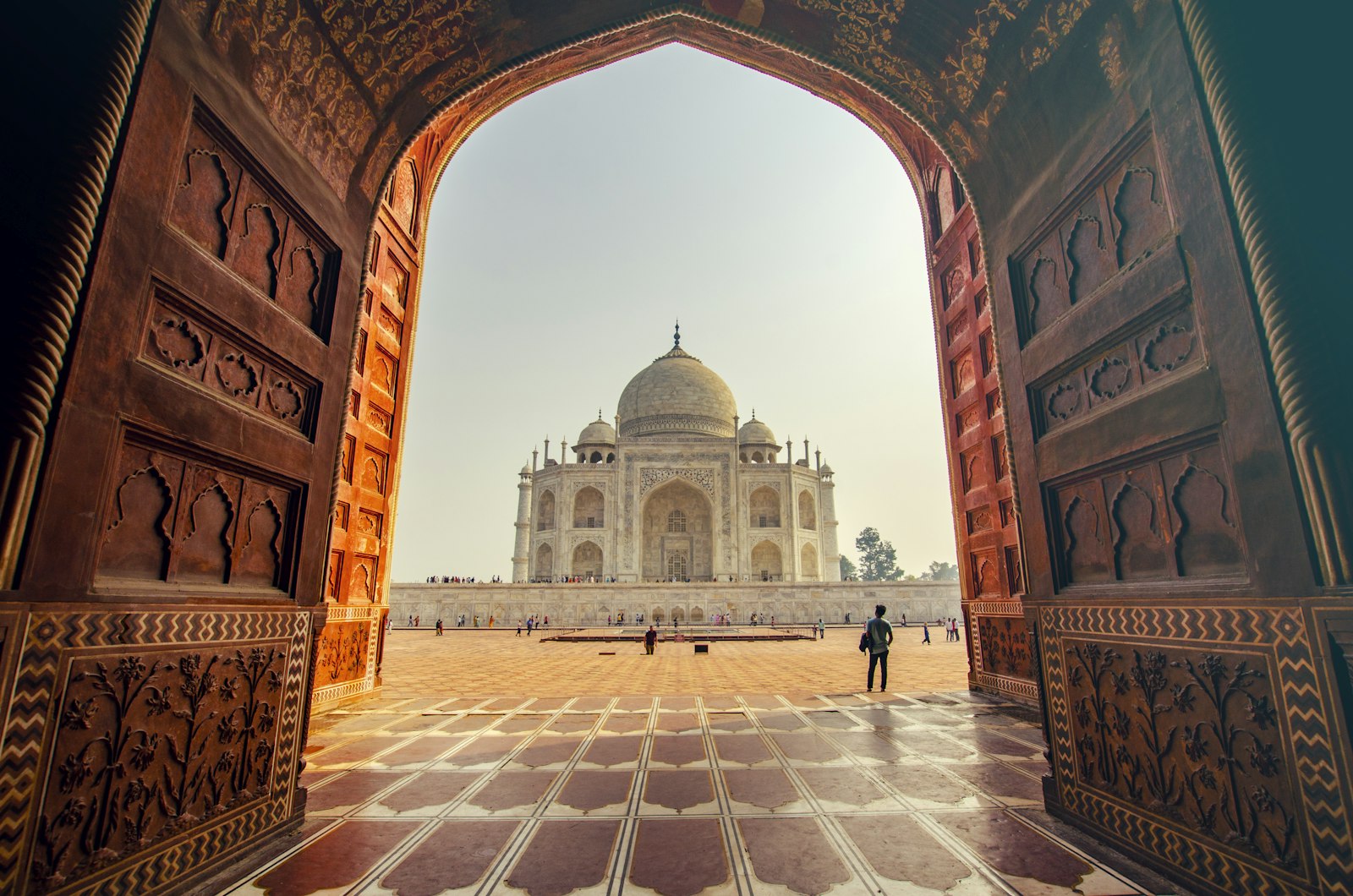
Agra (Days 3–4): Take an early train — the Gatimaan Express covers Delhi to Agra in around 1 hour 40 minutes, easily the fastest and most comfortable way to make this leg. See the Taj Mahal at sunrise if you can manage it (fewer crowds, softer light), then Agra Fort and, if time allows, the quieter Itmad-ud-Daulah tomb across the river.
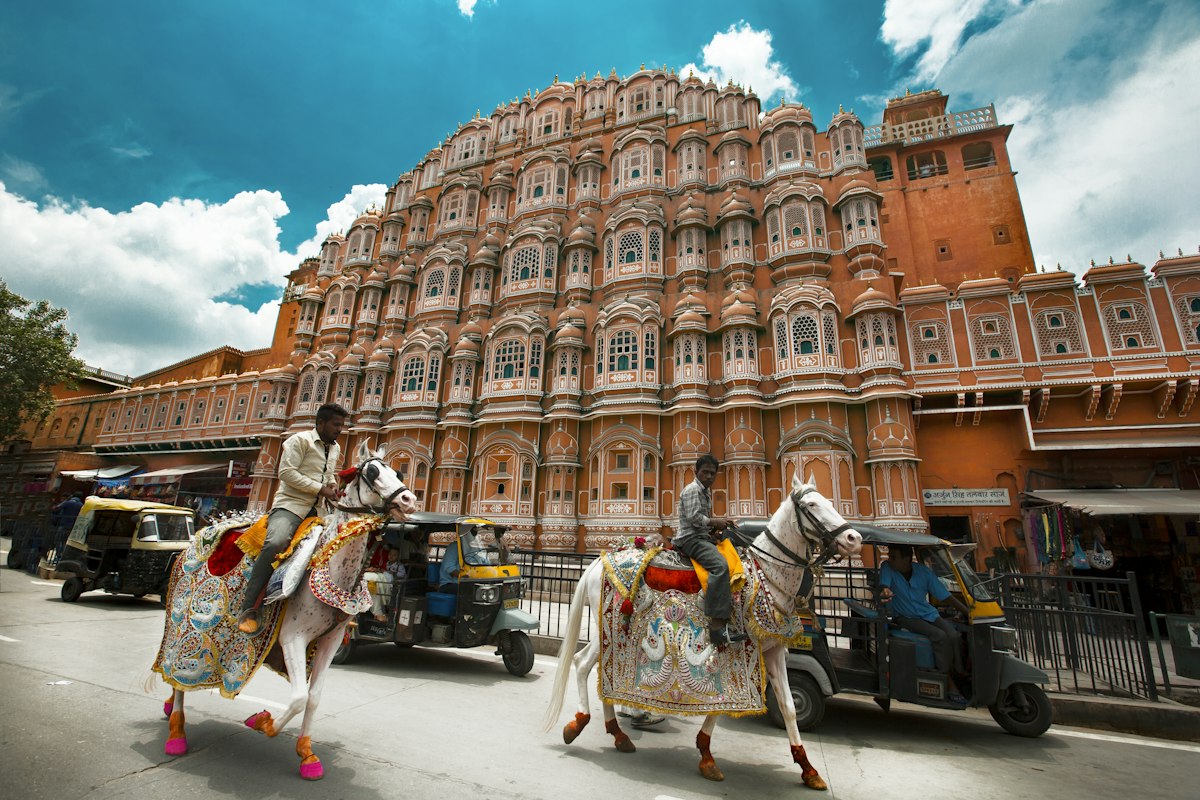
Jaipur (Days 5–7): Onward from Agra to Jaipur by road or rail — the Pink City delivers Amber Fort, City Palace, Hawa Mahal, and some of the best shopping for textiles and jewelry in the country, before flying or training back to Delhi for departure.
The 10-Day Itinerary: Golden Triangle Plus One
Ten days gives you enough room to add a fourth stop without feeling rushed. The two strongest options:
- Add Varanasi for a completely different register of India — the ghats along the Ganges at dawn, the evening Ganga Aarti ceremony, and a spiritual intensity that Delhi, Agra, and Jaipur simply don't offer.
- Add Ranthambore National Park, easily reached from Jaipur, if wildlife is a priority — it's one of India's best shots at seeing a tiger in the wild.
Either extension adds roughly 2–3 days including travel, which fits comfortably into a 10-day window without turning the trip into a sprint.
The 14-Day Itinerary: Golden Triangle Plus a Region
With two weeks, you can genuinely combine the Golden Triangle with a second region rather than a single extra city. Strong pairings for first-timers:
- Rajasthan deep dive: Jaipur, then onward to Udaipur (the "City of Lakes") and Jodhpur (the "Blue City") — three distinct Rajasthani cities, each with a completely different feel.
- Kerala backwaters: Fly south after the Golden Triangle for houseboat days in Alleppey and the hill stations of Munnar — a genuine climate and culture shift that shows a very different side of the country.
- Varanasi and Khajuraho: For travelers drawn to history and spirituality over beaches or backwaters.
Best Time to Visit India
October through March is the sweet spot for most first-time itineraries, especially anything centered on North India and the Golden Triangle. Daytime temperatures are manageable, evenings are cool rather than punishing, and Delhi's notorious pre-monsoon heat hasn't kicked in yet. December and January can get surprisingly cold and foggy in Delhi and Agra at night, so pack layers. April through June is peak heat across the north — genuinely difficult for sightseeing — and the monsoon (roughly July to September) brings heavy rain to much of the country, though it's a reasonable time to visit Kerala if you don't mind the downpours.
Getting Between Destinations
Trains are the classic way to move around North India and, for the Golden Triangle specifically, genuinely pleasant — the Gatimaan Express (Delhi–Agra) and various Vande Bharat and Shatabdi services connecting major cities offer AC chair car comfort, on-board catering, and reliable timing. Book through IRCTC's official portal or a reputable third-party booking platform well ahead of your trip, especially during peak season (October–March), when popular routes sell out.
Domestic flights make sense for longer jumps — Delhi to Kerala, for instance — where a 2-hour flight beats a 20-hour train.
Private drivers are a genuinely popular and affordable option for the Golden Triangle specifically; many first-timers hire a car and driver for the whole Delhi–Agra–Jaipur loop, which removes the logistics entirely at a reasonable cost when split between two or more travelers. Once you land, getting around locally within each city is its own question — our guide on using Uber in India as a foreign tourist covers exactly how that works for the shorter hops between sights.
Where to Stay
Accommodation in India spans an enormous range, and first-timers are often surprised at how far a mid-range budget stretches. Heritage hotels and havelis in Rajasthan offer a genuinely memorable stay for a fraction of what similar historic properties cost in Europe. In Delhi and Agra, sticking to well-reviewed 3–4 star hotels in central, well-connected neighborhoods is a sensible default for a first trip, rather than chasing the cheapest option in an unfamiliar part of town.
Food and Cultural Experiences
Eat regionally as you move — Delhi's street food (approach gradually, start with busy, high-turnover stalls), Rajasthani thalis in Jaipur, and Mughlai cuisine in Agra all taste distinctly different from each other despite falling under the broad umbrella of "Indian food." Bottled or filtered water only, and go easy on raw salads and street-side ice in the first few days while your system adjusts.
Budget Tips for International Travelers
India remains genuinely affordable relative to most Western destinations, even at a comfortable mid-range level. Domestic UPI-based digital payments — increasingly accessible to tourists, as we cover in our guide on UPI for foreign tourists in India — can simplify daily spending significantly. Negotiating is expected in markets and with unmetered rickshaws, but not in fixed-price shops or restaurants.
Common First-Time Mistakes
- Overpacking the itinerary — three cities in seven days is plenty; five is a mistake.
- Skipping travel insurance and proper vaccinations advice from a travel clinic before departure.
- Drinking tap water, including in ice cubes at less reputable establishments.
- Not checking e-Visa requirements early — most nationalities need to apply online in advance via India's official visa portal, and processing can take several days, so don't leave it until the week of departure.
- Underestimating Delhi traffic when planning same-day sightseeing across the city.
Getting connected on arrival is worth sorting early too — see our guide on getting a SIM card in India as a foreigner for exactly how that process works, and our piece on solo travel safety in India if you're planning this trip alone.
Frequently Asked Questions
How many days do I need for the Golden Triangle?
A minimum of 6–7 days does it comfortably without feeling rushed.
Is Delhi or Mumbai the better arrival city for first-timers?
Delhi, since it connects directly into the Golden Triangle route most first-time itineraries follow.
Do I need a visa to visit India?
Most nationalities need an e-Tourist Visa, applied for online in advance — check current eligibility and processing times on India's official visa portal well before booking flights.
Is it safe to travel solo in India as a first-timer?
Millions of solo travelers visit safely every year; standard precautions around transport, accommodation choices, and local awareness apply, as with any unfamiliar country.
Can I drink the tap water in India?
No — stick to sealed bottled or properly filtered water throughout your trip.
What's the best way to book trains in India?
Through IRCTC's official portal, ideally well ahead of peak season travel dates.
Is 7 days enough for a first trip to India?
Yes, if you focus on the Golden Triangle rather than spreading across multiple regions.
What should I pack for a Golden Triangle trip in winter?
Layers — days can be warm, but December and January mornings and evenings in Delhi and Agra get genuinely cold and foggy.
Should I hire a private driver or take trains between cities?
Both work well; trains are faster and often more comfortable for the Delhi–Agra leg specifically, while a private driver offers more flexibility across the full Golden Triangle loop.
Is Rajasthan or Kerala better for a second-week extension?
Rajasthan suits travelers who loved the Golden Triangle's forts and palaces; Kerala suits those wanting a completely different pace and climate.