Sakura season in Kyoto is genuinely as beautiful as the photos suggest — and genuinely as crowded as the warnings suggest, at least at the famous spots. The trick isn't avoiding the season, which would be a shame given how brief and specific the bloom window is. It's avoiding the same six locations that everyone else photographs at the same three hours of the day.
Early mornings at Philosopher's Path
By 7am the canal-side path is nearly empty, petals drifting slow circles onto the water below the overhanging branches, and it stays that way until roughly 9am when the first tour groups begin arriving from the nearby hotels. That two-hour window is worth setting an alarm for, even against jet lag — we walked the full length of it twice in one week, once at dawn and once at midday, and they felt like almost entirely different places.
A small coffee stand near the southern end opens around 7:30 and serves exactly the kind of quiet, unhurried espresso you want after that walk. We went back three mornings in a row, less for the coffee itself and more for the ten minutes of sitting somewhere that wasn't yet full of people.
Temples worth the detour
Skip Kiyomizu-dera's queues, at least on your first morning, and try Jonan-gu or the quieter grounds of Shisen-do instead — smaller, less staged for photographs, and somehow more moving for exactly that reason. We spent almost an hour at Shisen-do without seeing more than a dozen other visitors, sitting on the temple's wooden veranda looking out at a garden designed centuries before anyone thought to photograph it.
Arashiyama beyond the bamboo grove
The bamboo grove gets the crowds and the crowds get the same shot everyone else has already taken. A short walk further into Arashiyama, toward the Okochi Sanso villa gardens, thins the foot traffic considerably while keeping — arguably improving on — the scenery. The villa's small teahouse, included in the entry fee, gave us one of the more peaceful half hours of the entire trip.
Evenings in Gion
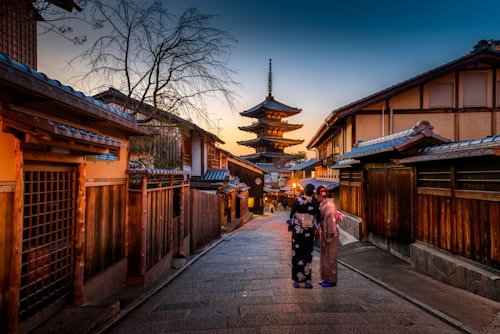
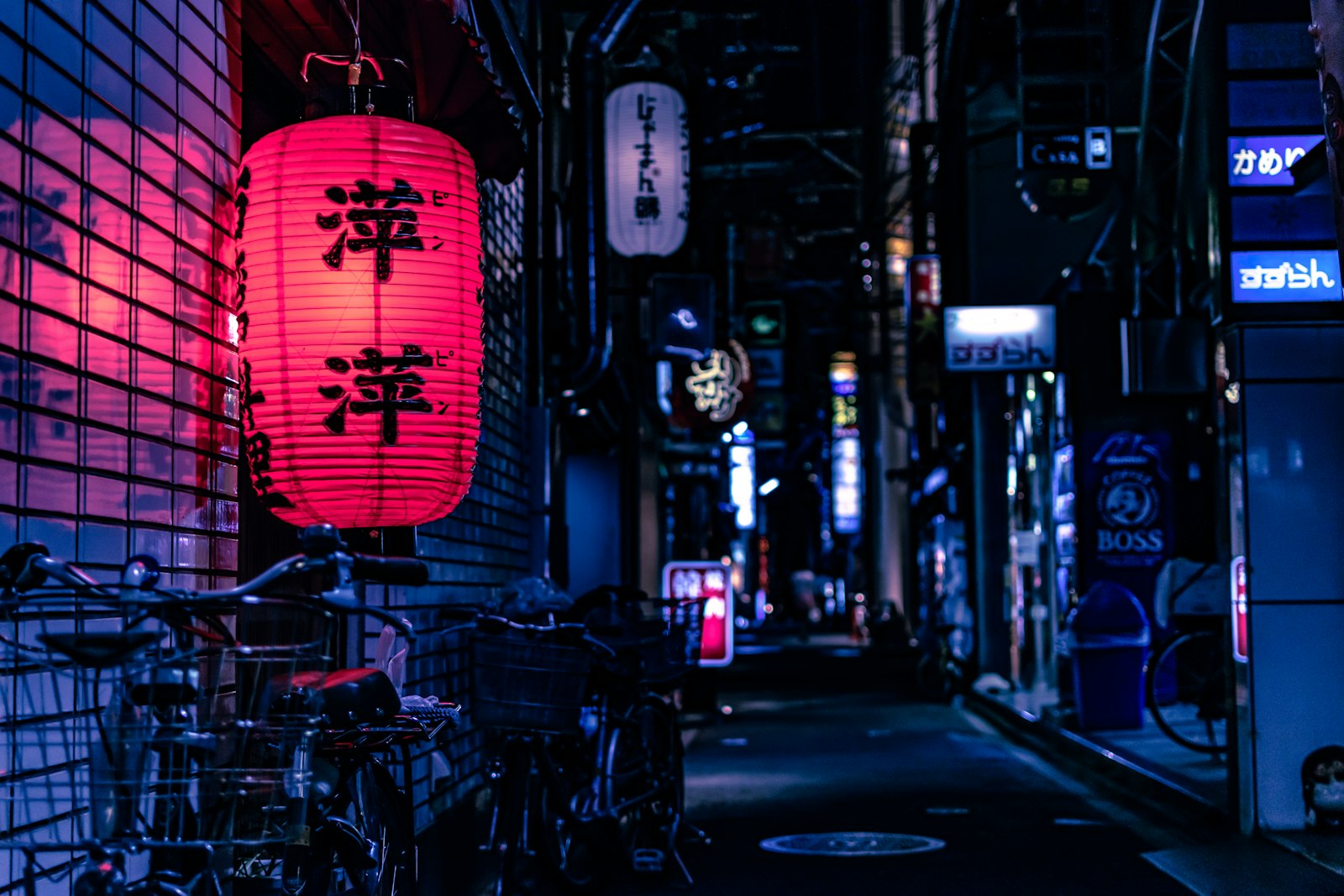
Gion after dark, once the day-trip crowds have mostly cleared out, becomes a genuinely different neighborhood — narrow lanes lit by paper lanterns, the occasional glimpse of a geiko or maiko moving quickly between appointments, restaurants with handwritten menus and no English translation. We didn't understand half of what we ordered on our first night there, and it turned out to be one of the better meals of the trip regardless.
Timing the bloom
Sakura forecasts shift year to year based on winter temperatures, and trying to plan a trip around the exact peak bloom date is something of a gamble even for locals. What helped us was building in flexibility — a loosely planned week rather than a tightly scheduled three days — so that whichever days turned out to be peak bloom, we had the freedom to prioritize accordingly.
Kyoto in bloom doesn't need to mean elbow-to-elbow crowds at every stop. It just needs a slightly different clock, a willingness to wander past the famous six locations, and enough time built in to let the city's quieter corners do their work.
If this kind of trip appeals to you, you might also like our Vietnam solo travel safety guide and Bali's hidden waterfalls.
Frequently Asked Questions
When exactly does sakura season happen?
It shifts year to year based on weather, typically late March to early April in Kyoto — check a current forecast tracker closer to your trip.
Is Kyoto walkable, or do I need transit?
A mix works best — many temple clusters are walkable, but buses or the subway save time between districts like Arashiyama and Higashiyama.
Are the famous temples worth the crowds?
Yes for at least one visit, but going at opening time or choosing quieter alternatives makes a real difference.