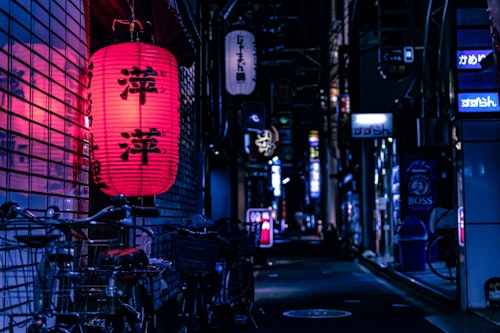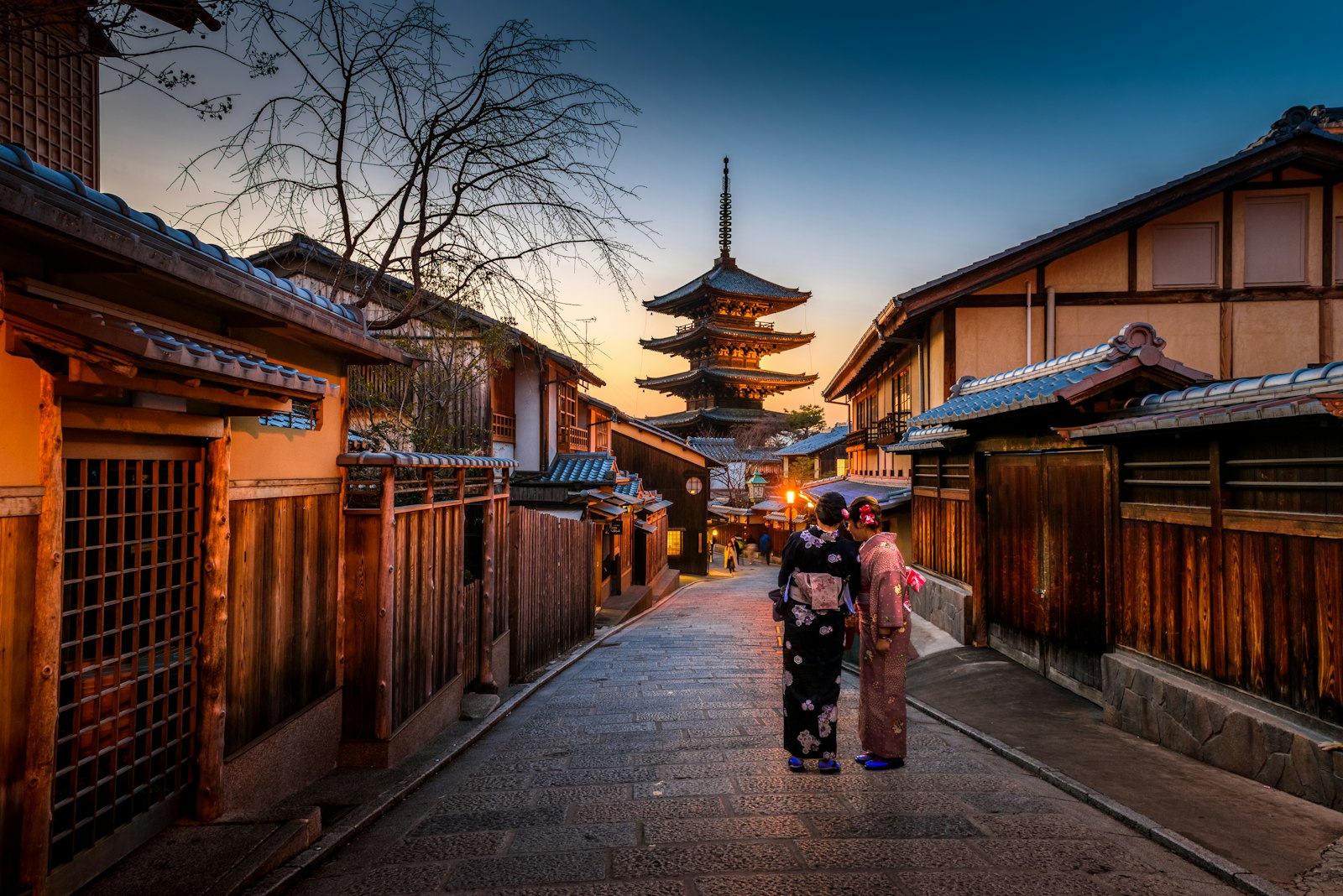
Tokyo's famous crossings and neon-lit avenues get all the attention, but the neighborhoods that actually explain the city are quieter — Yanaka's old wooden shopfronts, Koenji's secondhand record stores, Kagurazaka's cobbled former geisha-district lanes, each offering a version of Tokyo that doesn't show up in the standard first-timer's itinerary.
Yanaka, the city that survived
One of the few Tokyo districts to escape both the 1923 earthquake and WWII bombing largely intact, Yanaka still feels like an older, slower Tokyo — narrow lanes, small family-run shops that have operated for generations, temples tucked between houses, cats sunning themselves on doorsteps with an air of genuine ownership. We spent an entire unplanned afternoon there, ducking into a senbei rice-cracker shop that's apparently been in the same family for over a century, watching the owner hand-grill each piece over charcoal.
Koenji after dark
West of Shinjuku and largely off the main tourist circuit, Koenji is where Tokyo's punk and vintage-fashion scenes actually live, packed with tiny izakayas that seat maybe six people and somehow feel like the realest version of the city we encountered anywhere. One bar we found, entirely by accident while looking for shelter from sudden rain, turned out to specialize in obscure vinyl and would only serve you a drink if you picked a record to play first — an odd rule that led to one of the better nights of the whole trip.
Kagurazaka's French-Japanese mix
A former geisha district that later attracted a wave of French residents and businesses, Kagurazaka has an unusual atmosphere — steep cobbled alleys, traditional ryotei restaurants, and genuinely excellent French bakeries within the same two-block radius. Walking it at dusk, when the paper lanterns start coming on and the alleys narrow into near-silence, felt like stepping between two entirely different cities without ever leaving one neighborhood.
Shimokitazawa's secondhand culture
Popular with a younger, artier crowd, Shimokitazawa's warren of narrow streets is dense with vintage clothing shops, small independent theaters, and cafes that seem to specialize in staying open until absurdly late hours. It's less "hidden" than some of the other spots on this list at this point, but still sees a fraction of the foot traffic that Harajuku or Shibuya pull in on any given afternoon.
Nezu, temple-quiet
Bordering Yanaka, Nezu centers around a shrine of the same name, its approach lined with torii gates in a smaller, quieter echo of the famous ones at Fushimi Inari in Kyoto. The surrounding streets stay residential and unhurried, and a morning spent wandering there without a fixed plan felt like one of the more genuinely restful stretches of an otherwise fast-paced trip.
A note on timing
Visiting on weekday mornings rather than weekends made a considerable difference across all five neighborhoods — Tokyo's residential districts fill with local visitors on weekends in a way that changes the atmosphere from quiet-neighborhood to genuinely busy, even if it's still nowhere near Shibuya-level crowds.
Getting between them
The subway and JR Yamanote loop line connect all five neighborhoods within twenty to forty minutes of each other, making it easy to string two or three together in a single day without excessive backtracking. Seven neighborhoods total across the wider list, seven very different versions of Tokyo — none of them requiring so much a map as a willingness to get off the main tourist line for an afternoon.
If this kind of trip appeals to you, you might also like our solo travel safety guide for Vietnam and Kyoto's cherry blossom season guide.
Frequently Asked Questions
Are these neighbourhoods safe to explore at night?
Yes — Tokyo is generally very safe, and these districts are no exception, though normal city awareness still applies.
Is English widely understood in these areas?
Less so than in central tourist zones; a translation app helps, but most visitors manage fine.
How do I get between these neighbourhoods?
The subway and JR Yamanote line connect all of them within 20–40 minutes of each other.