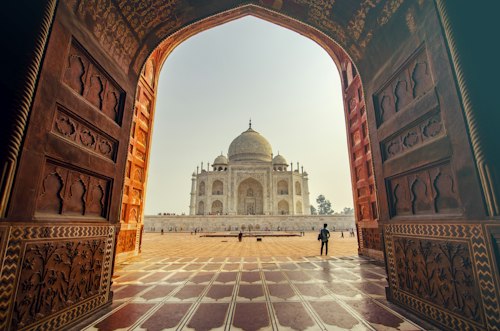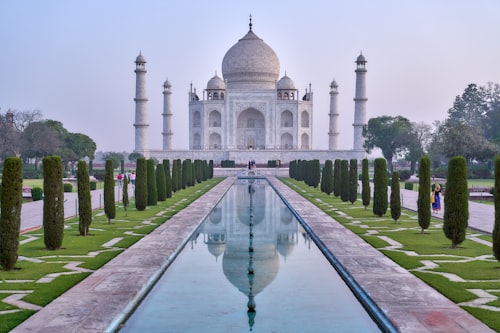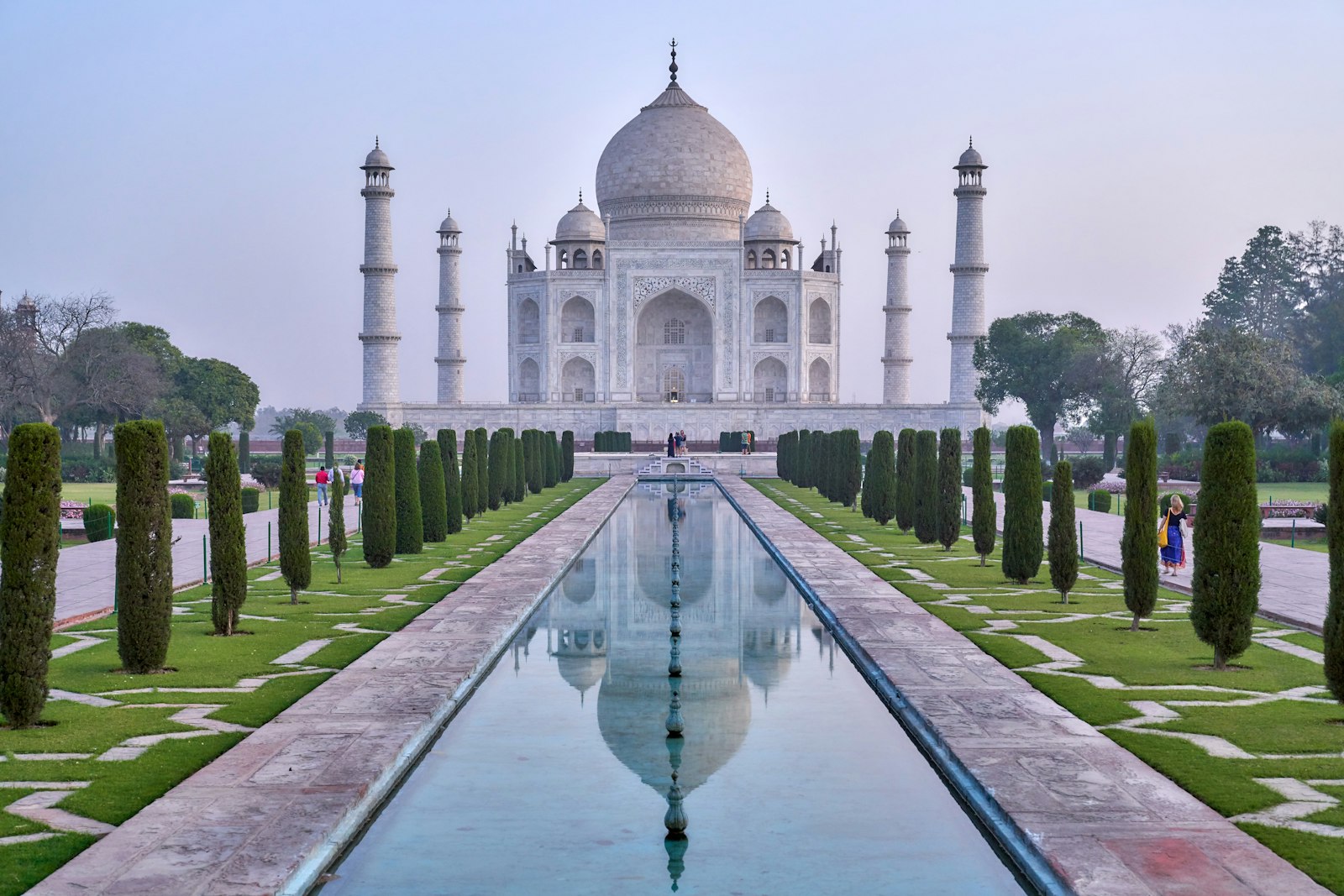
The color, the food, the sheer scale of everything — it's a lot, and this guide covers the practical groundwork: the stuff that, if you sort it out before you land, makes the rest of the trip dramatically smoother.
Visa and Passport Requirements
Almost every foreign tourist needs a visa to enter India, and for most nationalities, the simplest route is the e-Tourist Visa, applied for entirely online before you travel. India's e-Visa scheme covers well over 160 eligible nationalities, offered in 30-day, one-year, and five-year validity options with different per-visit stay limits depending on your nationality. Apply well ahead of your trip — processing typically takes a few days, though it's safer to allow more time, especially if you're traveling during the busier October-to-March season. Your passport should have at least six months' validity remaining from your date of entry, and it's worth double-checking the current fee schedule and exact eligibility for your specific nationality directly on India's official visa portal, since rules and fees are updated from time to time.
Best Time to Visit India
October through March is generally the most comfortable window for first-time visitors, particularly if your trip centers on North India — Delhi, Agra, Jaipur, and similar destinations. Daytime heat is manageable and evenings are cool rather than punishing. April through June brings serious heat across much of the north, genuinely tough for long days of sightseeing, and the monsoon season (roughly July to September) brings heavy rain to large parts of the country, though it's a fine time to visit Kerala if you don't mind getting wet. If your first trip follows the classic route, our India itinerary guide for first-time visitors breaks down exactly how to structure 7, 10, or 14 days around this season.
Money, Cards, Cash, and UPI
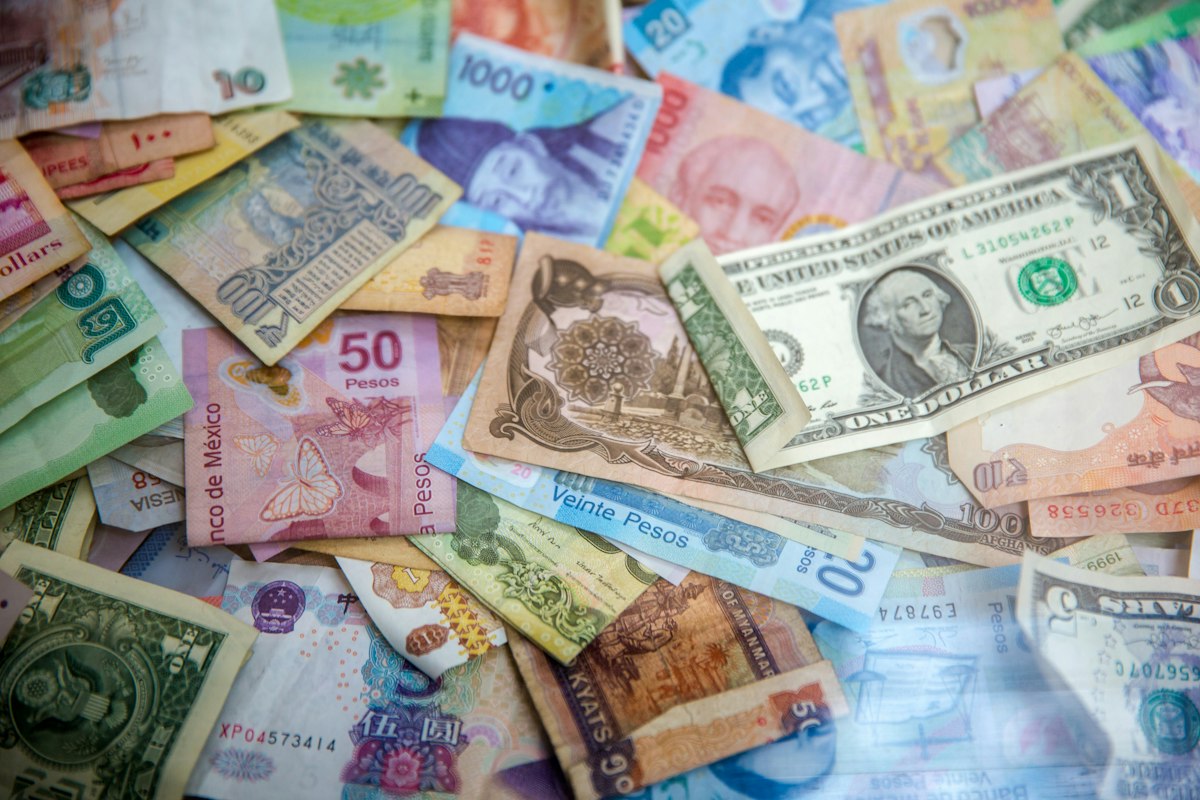
India runs on a mix of cash and digital payments, and leaning too hard on either one will leave you stuck somewhere. Small vendors, local markets, and rural areas often still prefer cash, while restaurants, hotels, and larger stores widely accept international cards. The real game-changer for tourists is UPI, India's instant payments system — through a dedicated program called UPI One World, foreign tourists can now set up a prepaid UPI wallet without needing an Indian bank account, letting you pay at the same QR codes locals use everywhere. It's genuinely worth setting up before or shortly after you land, since so much of daily spending in India now runs through it — our full walkthrough on setting up UPI One World covers the exact steps. Carry some cash as backup regardless, especially in smaller towns.
SIM Cards and Internet
Getting connected is straightforward, if slightly more paperwork-heavy than tourists expect. To buy a local SIM as a foreign national, you'll typically need your original passport, your valid Indian visa, and a proof of address in India — a hotel booking confirmation is usually accepted. Airtel, Jio, and Vi (Vodafone-Idea) all sell tourist-friendly prepaid plans at official kiosks in the arrivals halls of major international airports, and activation generally takes anywhere from thirty minutes to a few hours, occasionally longer for late-night arrivals. If you'd rather skip the paperwork entirely, international eSIM providers that don't require local KYC registration are widely available and activate instantly on landing. Either way, don't count on hotel Wi-Fi alone — mobile data is what makes maps, ride-hailing, and translation apps actually usable on the ground. See our dedicated guide on getting a SIM card in India as a foreigner for the full documented process.
Transportation and Uber
Uber operates in most major Indian cities and works largely as it does elsewhere — useful for predictable pricing and not having to negotiate a fare. Ola, India's homegrown equivalent, is equally widespread and worth having installed alongside Uber, since availability and pricing between the two can vary block by block. Auto-rickshaws remain a fast, cheap way to get around short distances; insist on the meter or agree on a price before getting in if it's not metered. For longer intercity travel, India's train network is extensive and comfortable in the AC classes, and worth booking through the official IRCTC portal well ahead of peak season. Our guide on using Uber in India as a foreign tourist walks through account setup and payment specifics in more depth.
Indian Food and Drinking Water
Indian food varies enormously by region, and part of the fun of a first trip is realizing how little "Indian food" as a single category actually describes. The one nearly universal rule: don't drink tap water. Stick to sealed bottled water or water you've filtered or boiled yourself, and be cautious with ice in less established places. Ease into street food gradually rather than diving in on day one — busy stalls with high turnover are generally a safer bet than something that's clearly been sitting out.
Cultural Etiquette and Dress
Modest dress is appreciated broadly across India, particularly at religious sites, where shoulders and knees are often expected to be covered regardless of gender, and shoes come off before entering. Public displays of affection are less common than in many Western countries, and it's worth toning things down in more conservative or rural settings. Using your right hand for eating and for giving or receiving items is the general norm. None of this requires being rigid about it — most Indians are used to tourists and genuinely appreciative of the effort rather than expecting perfection. This same instinct toward respectful preparation applies well beyond the big cities — our guide on Meghalaya's living root bridges and our Spiti Valley itinerary both cover village and monastery etiquette specific to those regions.
Safety Tips
India is visited safely by millions of foreign tourists every year, and ordinary travel-safety habits go a long way: stick to well-reviewed accommodation, use registered taxis or ride-hailing apps rather than unmarked vehicles late at night, keep copies of your passport and visa separate from the originals, and stay aware of your surroundings in crowded tourist areas, where pickpocketing is the more realistic risk than anything more serious. Solo travelers, including solo women, visit India regularly and safely, though it's worth researching destination-specific advice for the particular cities and regions on your itinerary — we go deeper into this in our guide on solo female travel safety in India.
Common Tourist Scams to Avoid
A handful of scams come up often enough to be worth knowing in advance: unofficial "helpful strangers" near train stations who claim your booked hotel or train is closed and steer you toward a different, commission-paying one; unmetered taxi or rickshaw drivers who quote wildly inflated fares to unfamiliar tourists; and unauthorized "government tourism office" storefronts that aren't actually official. When in doubt, book accommodation and transport through verified platforms in advance, and treat unsolicited offers of help near major transit hubs with a healthy amount of skepticism.
What to Pack
Lightweight, breathable clothing works for most of the year, alongside something warmer for cool December and January evenings if you're visiting North India in winter. A few modest outfits for temple and religious site visits are worth including regardless of season. Comfortable, easily removable shoes matter more than you'd think, given how often footwear comes off. A basic first-aid kit, sunscreen, and any personal medication in its original packaging round out the essentials.
Useful Emergency Numbers
India's unified national emergency number is 112, connecting you to police, fire, and ambulance services through a single call — available across the country and also reachable by SMS or the "112 India" mobile app if a voice call isn't possible. Older individual numbers (100 for police, 101 for fire, 102 for ambulance) still work as well. There's also a dedicated multilingual tourist helpline, useful specifically for travel-related issues rather than genuine emergencies. Full details on how the system works are available on the official Emergency Response Support System site, run by India's Ministry of Home Affairs.
Frequently Asked Questions
Do I need a visa to visit India as a tourist?
Yes, almost all foreign nationals need a visa — most apply online through the e-Tourist Visa system in advance of travel.
Is India safe for first-time foreign tourists?
Millions of tourists visit safely every year; standard precautions around transport, accommodation, and awareness in crowded areas apply as they would anywhere unfamiliar.
Can I drink tap water in India?
No — stick to sealed bottled or properly filtered water throughout your trip.
Does Uber work in India?
Yes, Uber operates in most major cities, alongside the widely used local alternative, Ola.
Do I need cash, or can I rely on cards and UPI?
A mix works best — cards and UPI cover most restaurants, hotels, and urban shopping, but cash is still useful for smaller vendors and rural areas.
Can foreign tourists use UPI in India?
Yes, through UPI One World, a prepaid wallet specifically built for tourists that doesn't require an Indian bank account.
How do I get a local SIM card as a tourist?
Bring your passport, visa, and a hotel booking confirmation to an airport kiosk or official telecom store; activation typically takes a few hours.
What's the best time of year to visit India?
October through March is generally the most comfortable window for most first-time itineraries.
What should I wear when visiting temples in India?
Modest, covering clothing — shoulders and knees covered — and be ready to remove your shoes before entering.
What's India's emergency number?
112 is the national emergency number, connecting to police, fire, and ambulance services.